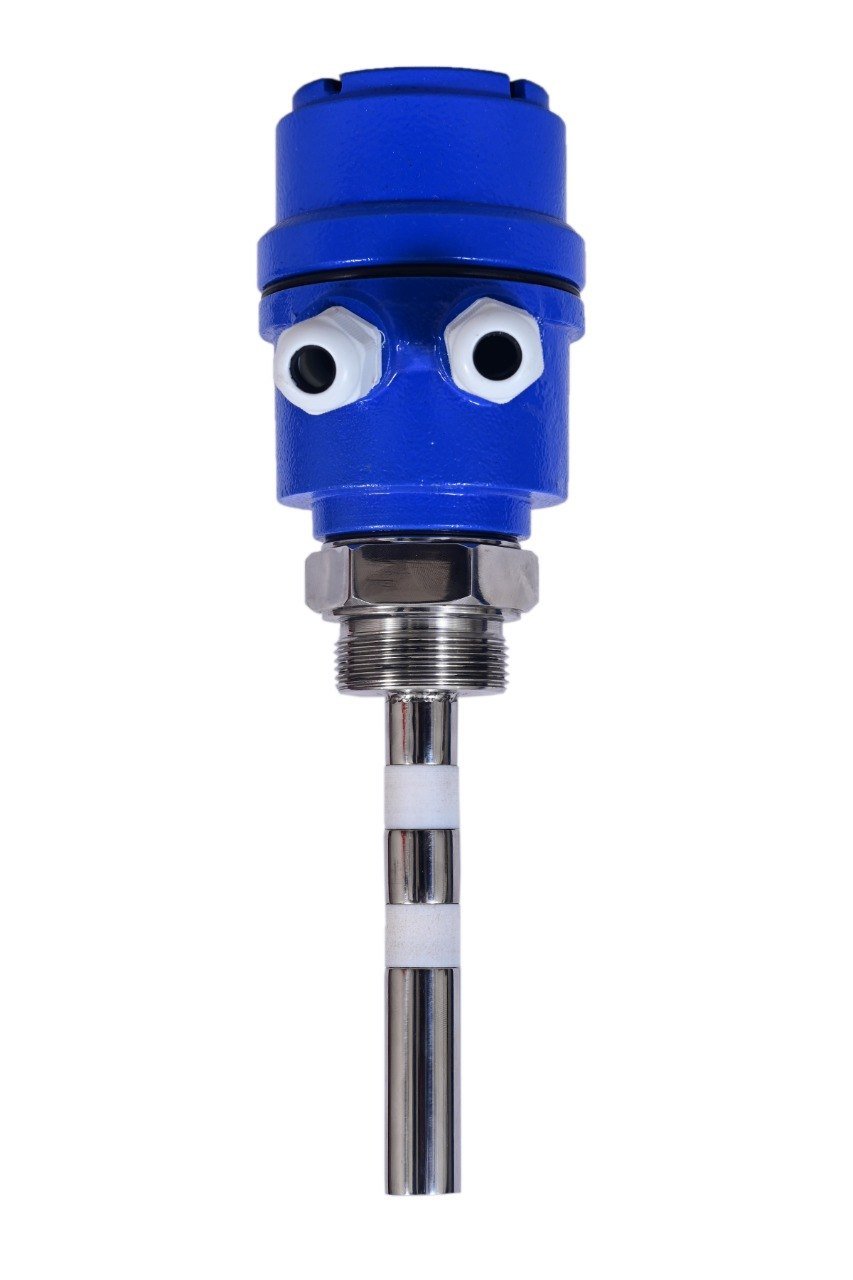
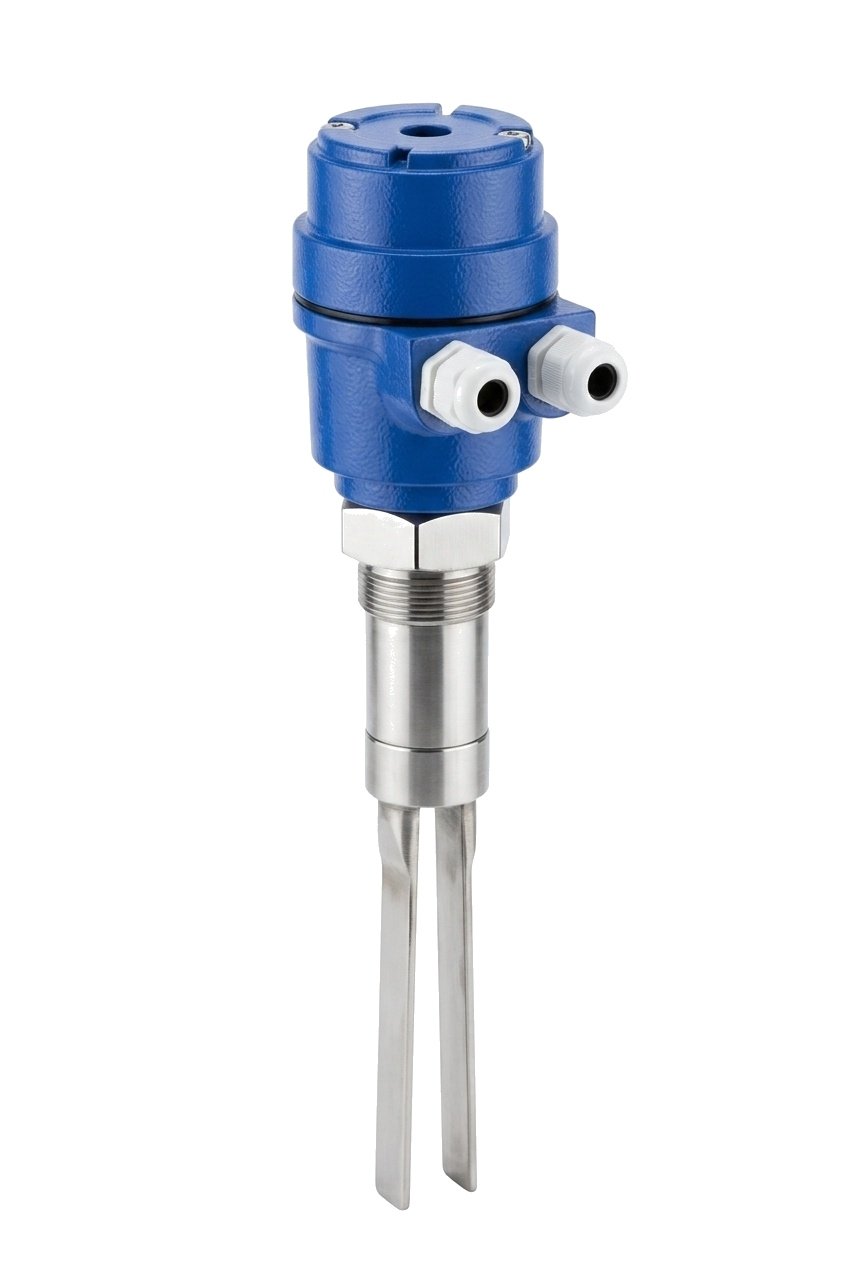
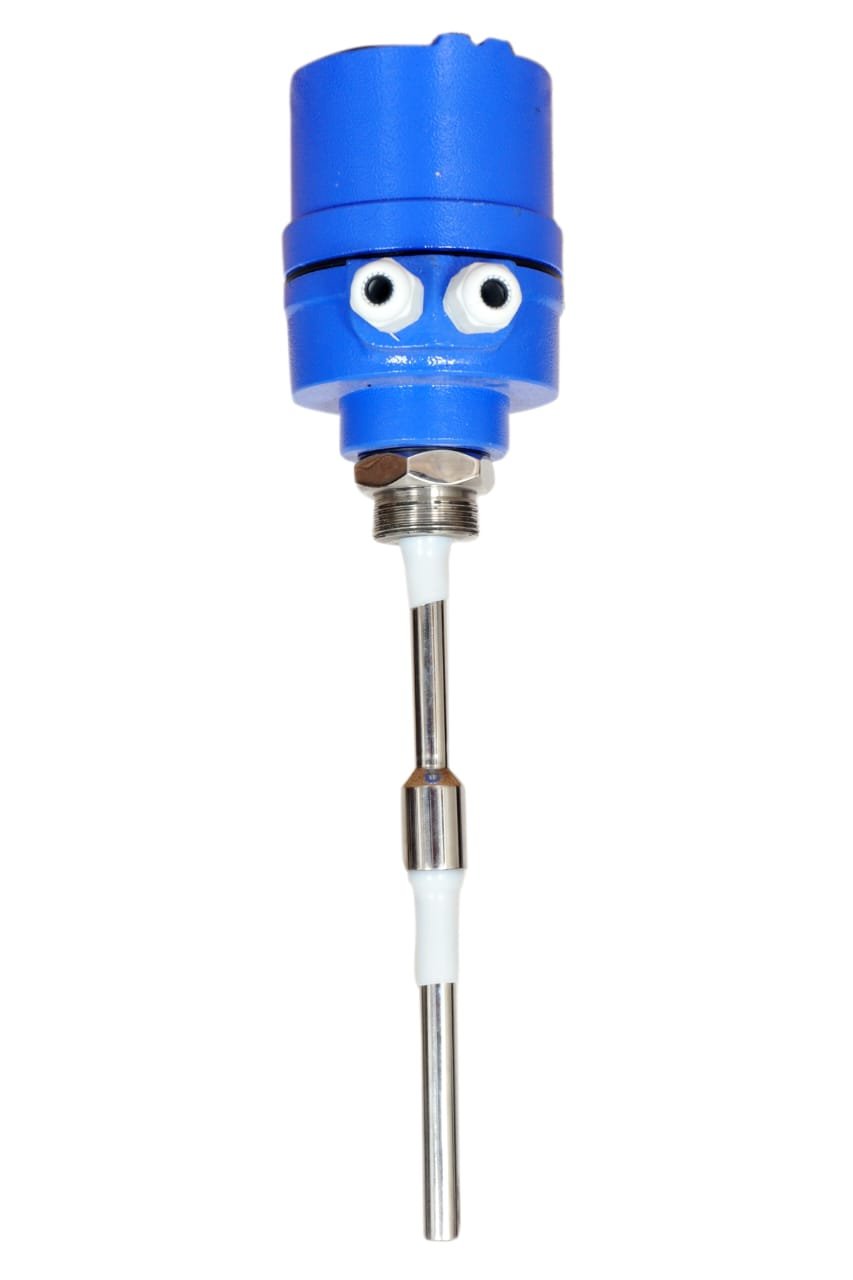
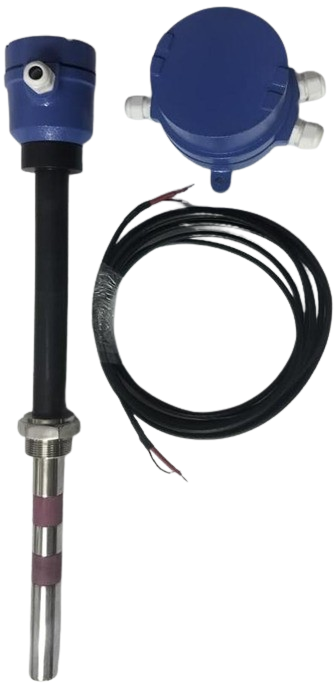
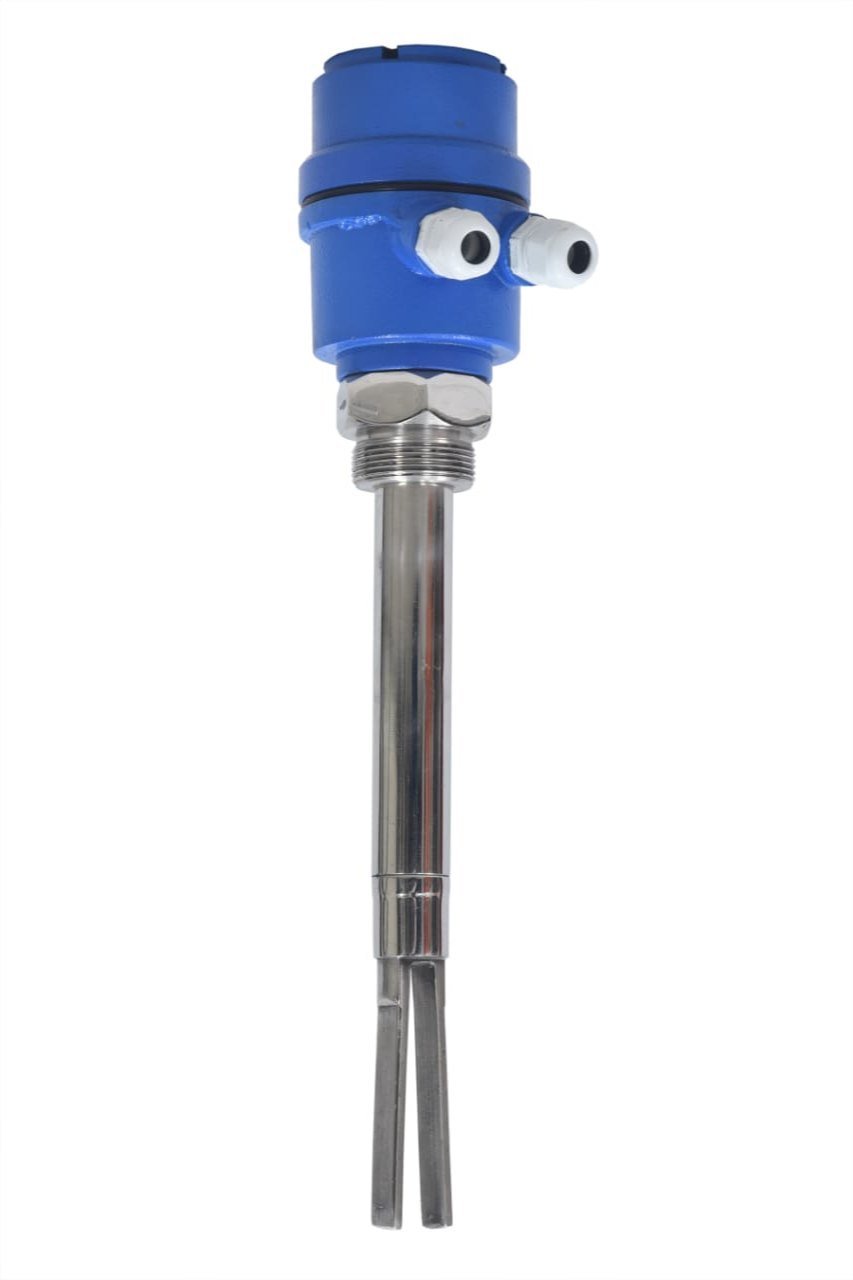
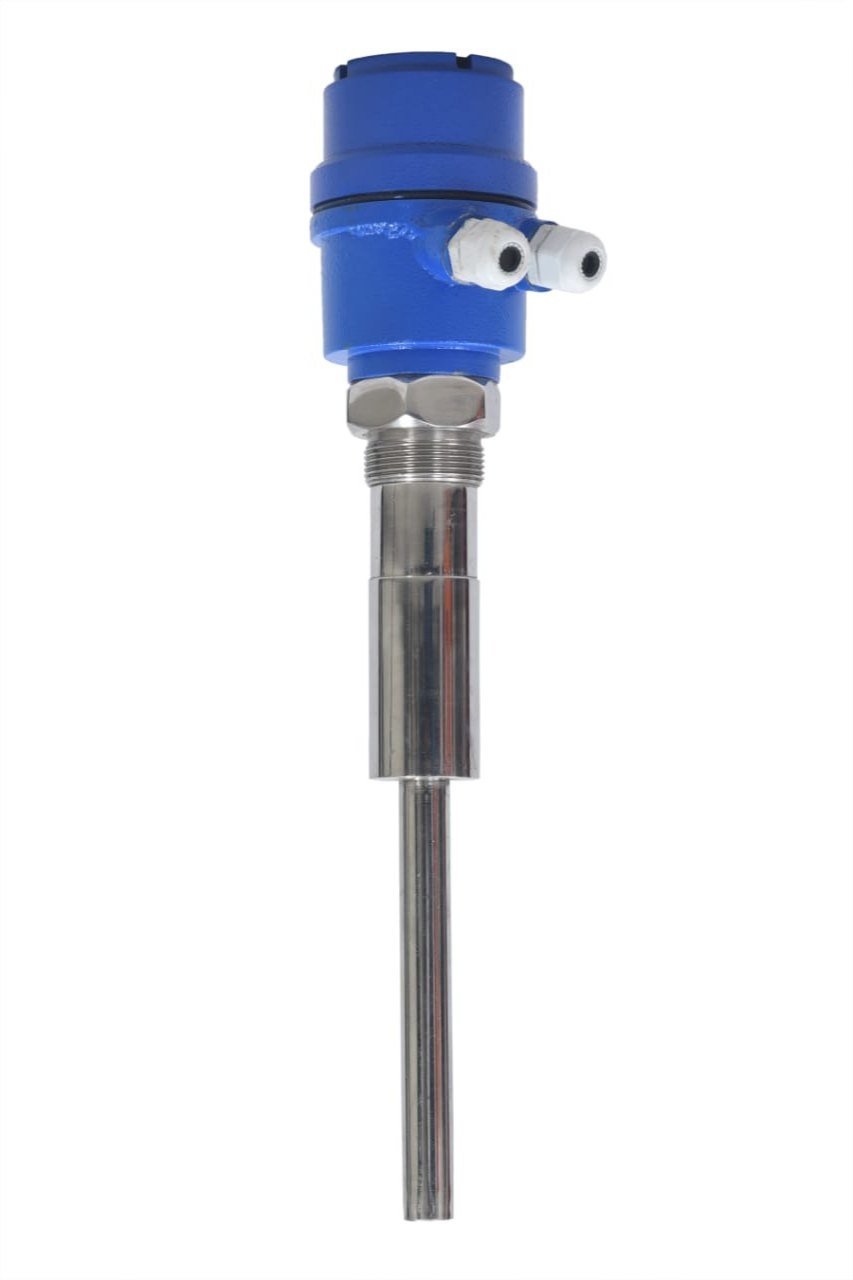
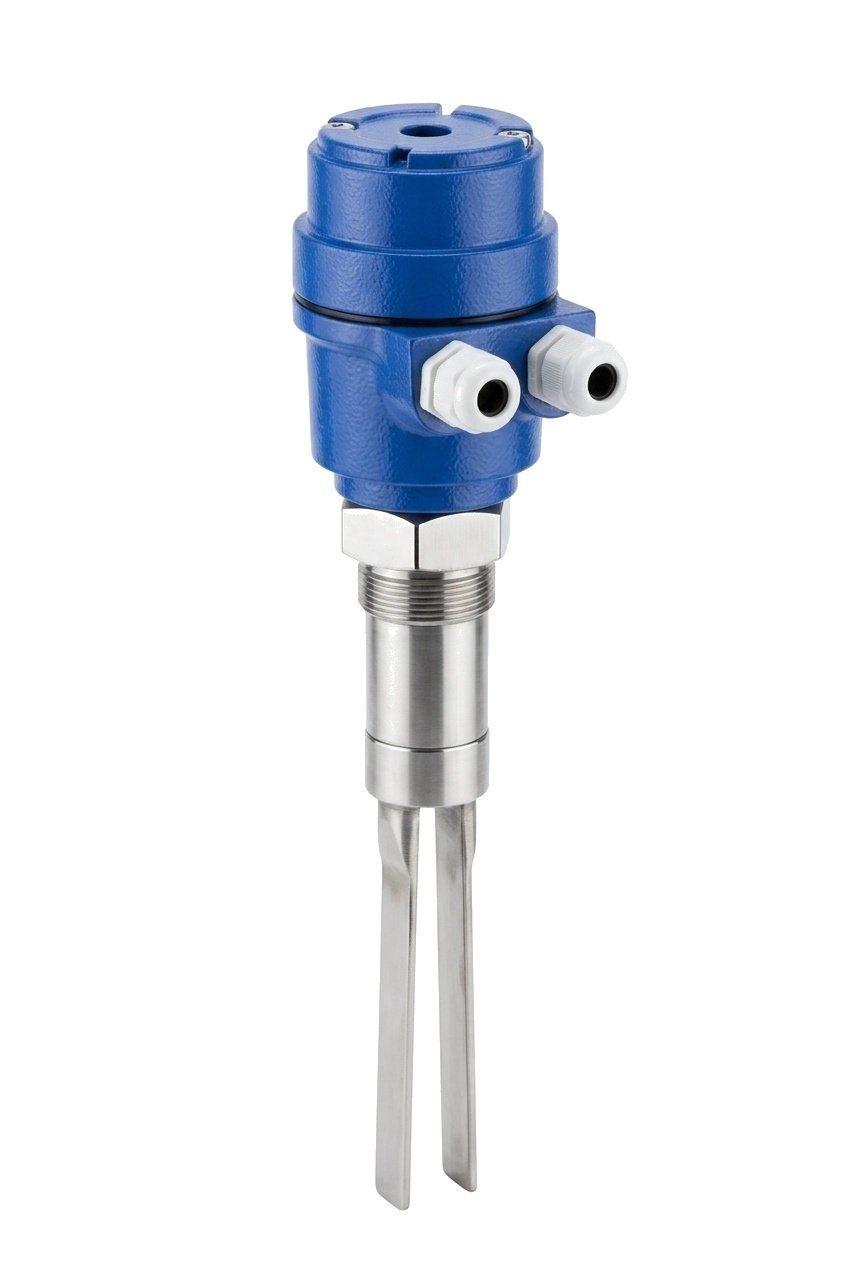
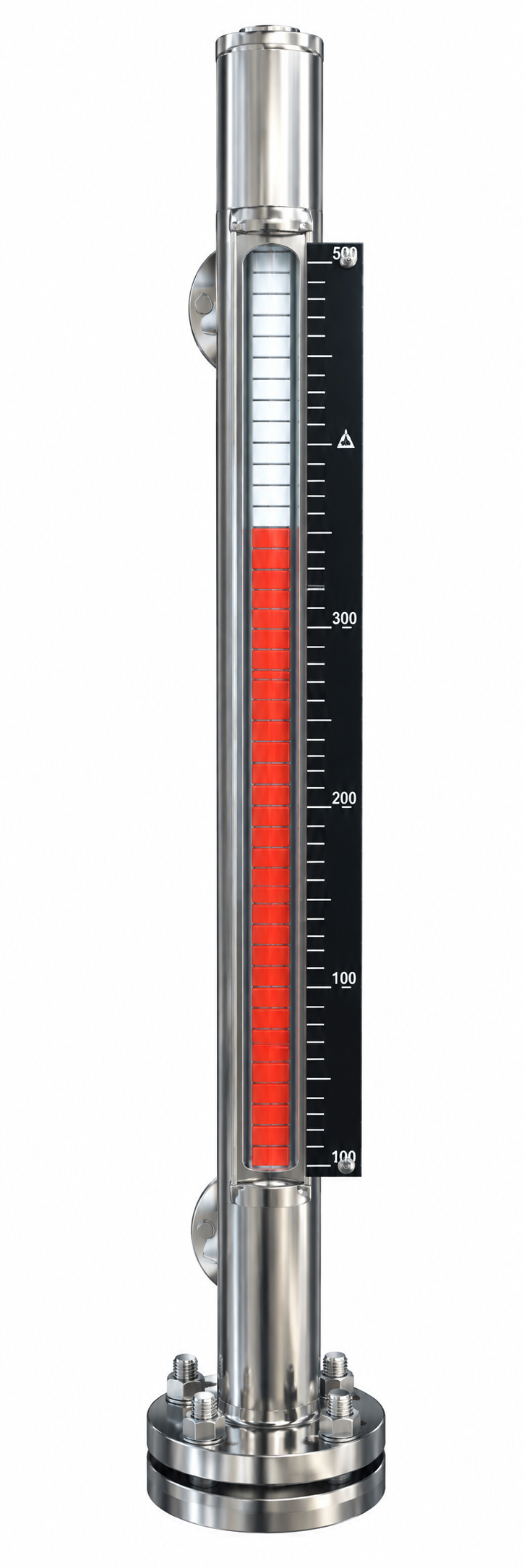
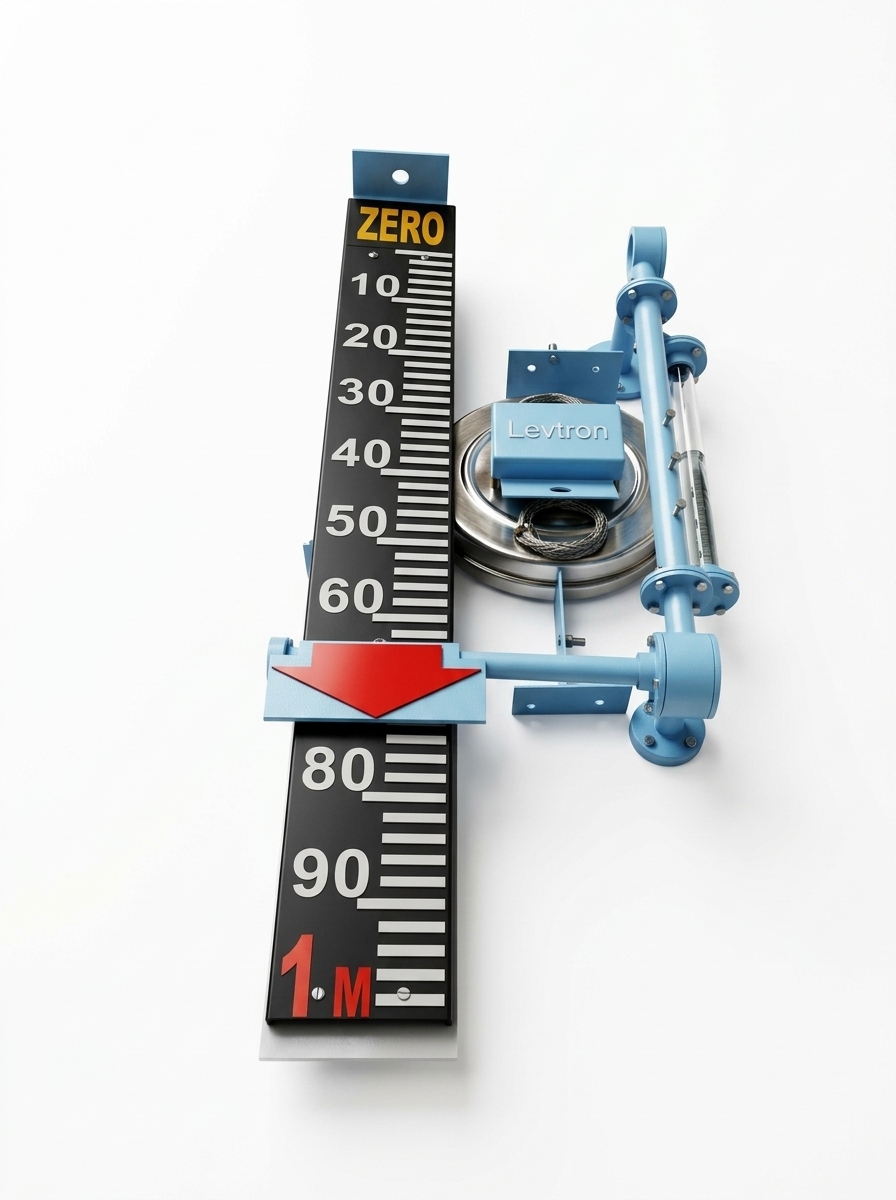
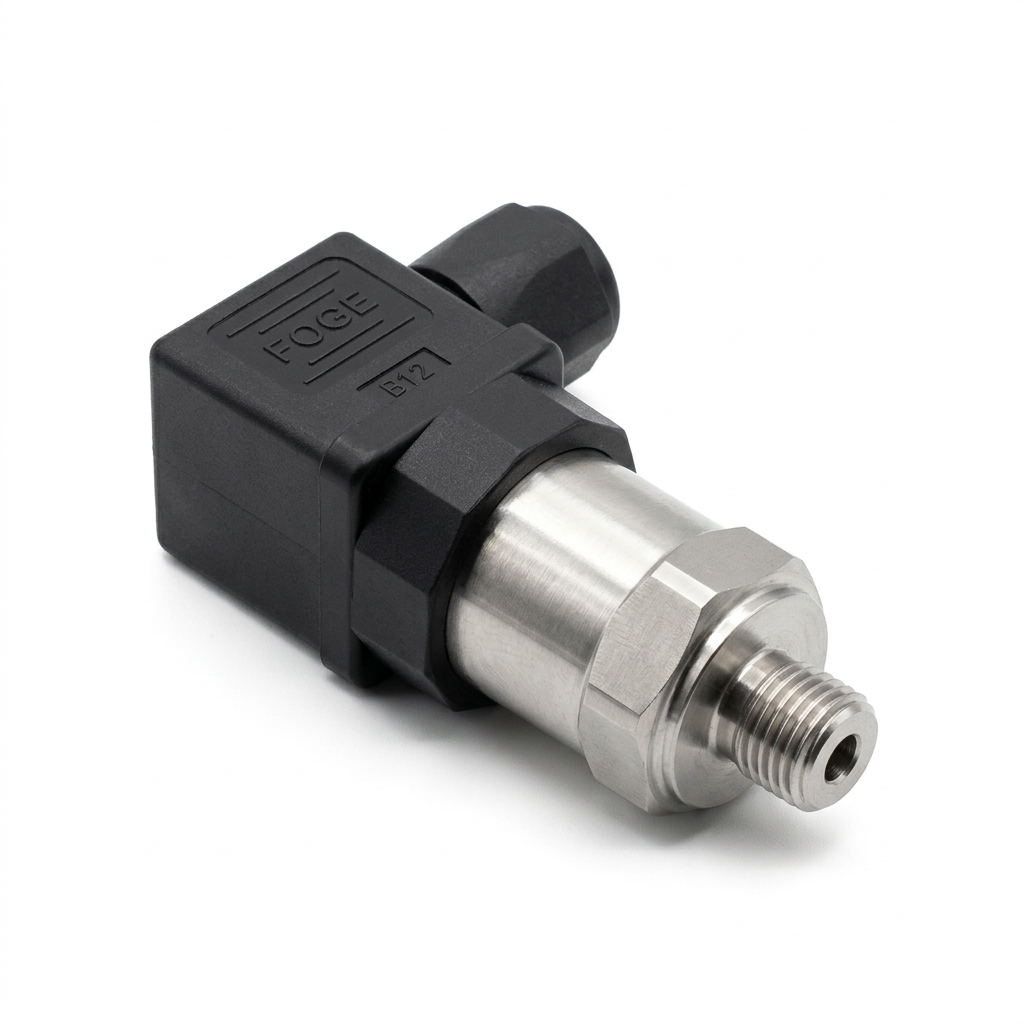
The Boot Level Switch is a highly reliable and cost-effective device designed for accurate liquid level detection in various industrial applications. It features a flexible diaphragm that responds to pressure changes caused by liquid level fluctuations. As the liquid level rises or falls, the Boot Level Switch activates the switch mechanism to indicate the level condition.
This Boot Level Switch is particularly effective in environments dealing with corrosive liquids or applications requiring non-metallic options. It ensures durability and long-term performance in harsh conditions. Industries such as wastewater management, chemical processing, and agricultural systems benefit from the Boot Level Switch, as it provides precise level measurement while maintaining operational safety.
With its robust design and high sensitivity, the Boot Level Switch offers dependable performance, preventing overflow and dry-run conditions in tanks and reservoirs. Its versatility makes it a preferred choice for various liquid monitoring applications.
Chemical Processing – The Boot Level Switch is used for monitoring liquid levels in tanks containing corrosive or reactive chemicals, ensuring safe and efficient handling.
Wastewater Management – Ideal for detecting liquid levels in wastewater treatment plants, the Boot Level Switch helps maintain operational efficiency and prevents system failures.
Agricultural Systems – The Boot Level Switch is employed in irrigation and water management systems to monitor water levels in storage tanks and reservoirs, ensuring optimal resource utilization.
Food and Beverage Industry – Suitable for liquid level detection in non-metallic tanks and containers, the Boot Level Switch helps maintain product safety and quality compliance.
Cooling Systems – Used in cooling towers and chillers, the Boot Level Switch prevents pump dry running by accurately monitoring water levels, ensuring system reliability.
Pharmaceutical Applications – The Boot Level Switch is ideal for monitoring liquid levels in pharmaceutical processes requiring high hygiene standards and non-reactive materials.
Corrosion Resistance: Made from rubber, making it suitable for use with a wide range of corrosive liquids.
Flexible Design: The diaphragm flexes easily in response to liquid pressure changes, providing reliable level detection.
Compact Size: Space-saving design allows for easy installation in various settings, including tight spaces.
Adjustable Level Settings: Configurable switch points for high and low level detection to meet specific application requirements.
Simple Installation: Easy to install with standard mounting options, reducing installation time and complexity.
Low Maintenance: Minimal upkeep required due to the robust and durable design, enhancing reliability over time.
Versatile Applications: Suitable for various industries, including chemicals, agriculture, wastewater, and food processing.
The Boot Level Switch operates based on the principle of pressure sensing through a flexible diaphragm. As the liquid level in a tank or vessel changes, it exerts pressure on the Boot Level Switch diaphragm. When the liquid level rises, the diaphragm deforms, triggering the internal switch mechanism.
This deformation activates the Boot Level Switch, which can either open or close an electrical circuit depending on the switch configuration. It can be set to respond to specific high or low liquid levels, ensuring precise monitoring and control.
The Boot Level Switch features a sealed design, preventing leakage and offering excellent durability. Its ability to function effectively in environments with corrosive or reactive liquids makes it a reliable choice for applications such as wastewater management, chemical processing, and food production. With its robust construction, the Boot Level Switch guarantees consistent performance in industrial operations.
A Rubber Diaphragm Level Switch is a mechanical point level sensing device used for detecting material levels inside silos, bins, and hoppers containing dry bulk solids. The switch uses a flexible rubber diaphragm connected to a sensitive micro-switch mechanism.
When the material reaches the sensing point, pressure is applied to the rubber diaphragm, activating the internal micro-switch and generating an output signal for alarms, conveyors, PLCs, or automated process control systems.
Because of the rubber boot-style sensing element, many industries also call this device a Boot Level Switch or Boot Diaphragm Level Switch.
Mechanical diaphragm sensing ensures reliable operation with minimal complexity.
The switch contains fewer moving parts, reducing maintenance requirements.
Designed specifically for free-flowing powders and granular materials.
Provides economical point level monitoring for industrial applications.
Direct mounting design simplifies installation in silos and bins.
Built to withstand dusty and rugged industrial environments.
|
Feature |
Rubber Diaphragm Level Switch |
Float Switch |
|
Application |
Dry Bulk Solids |
Liquids |
|
Working Principle |
Pressure-Based Diaphragm |
Floating Mechanism |
|
Best Use |
Silos, Bins & Hoppers |
Water & Liquid Tanks |
|
Maintenance |
Low |
Moderate |
|
Installation |
Simple |
Moderate |
Rubber Diaphragm Level Switches are specifically designed for dry bulk solid level detection, while float switches are generally used for liquid level monitoring applications.
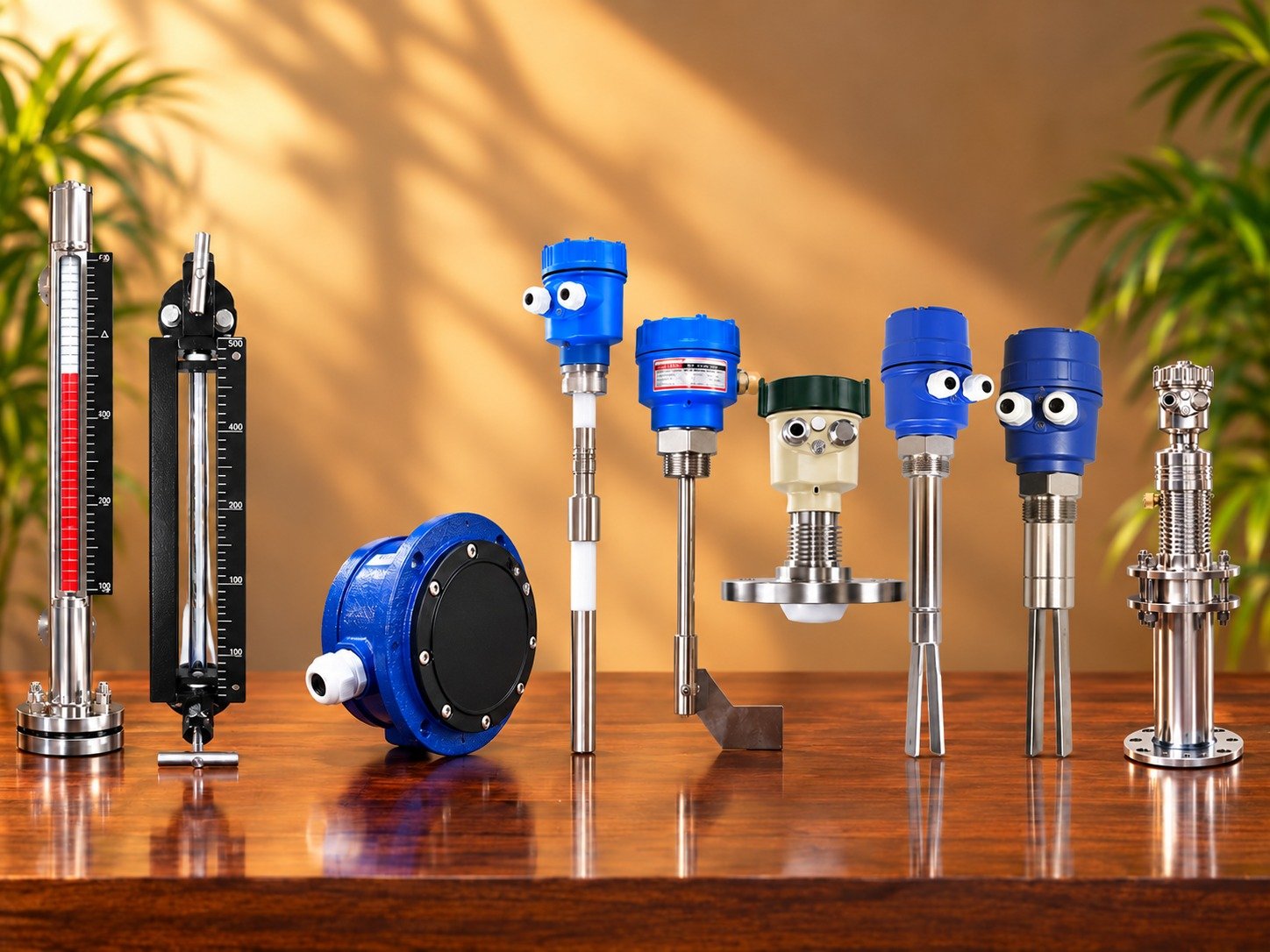
Levtron is a trusted manufacturer and supplier of industrial level measurement and automation instruments in India. Our products are designed to deliver reliable industrial performance, process efficiency, and long-term durability.
A Boot Level Switch is another commonly used industrial term for a Rubber Diaphragm Level Switch. Both terms refer to the same type of point level detection device used for dry bulk solids.
The switch operates when bulk material presses against the rubber diaphragm, activating an internal micro-switch for level detection and process control.
They are widely used in silos, bins, hoppers, chutes, cement plants, grain storage systems, powder handling units, and fly ash applications.
Yes, it is designed for free-flowing powders, granules, and dry bulk solids.
Rubber Diaphragm Level Switches are mainly used for dry solids, while float switches are designed for liquid level monitoring.
Yes, the switch is specifically designed for point level detection in silos, bins, and hopper applications.