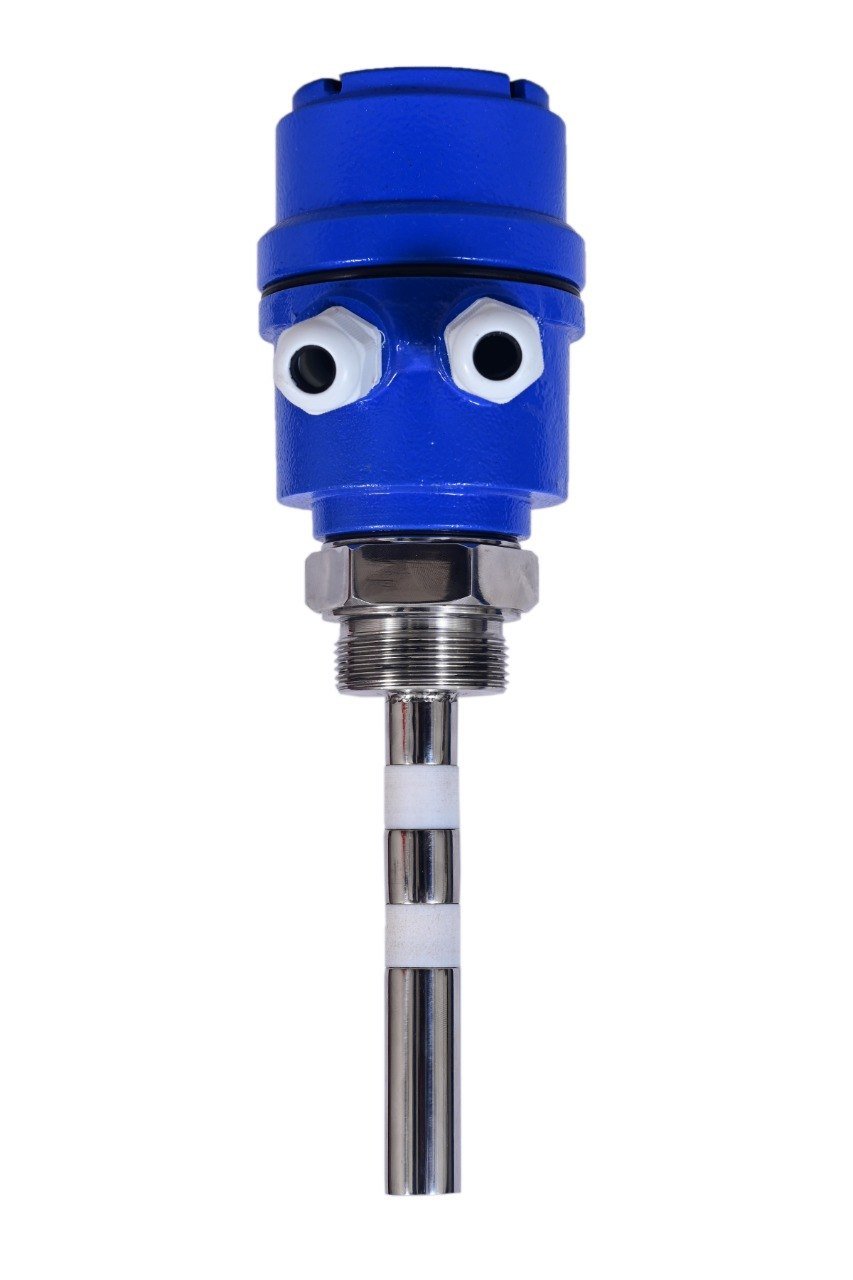
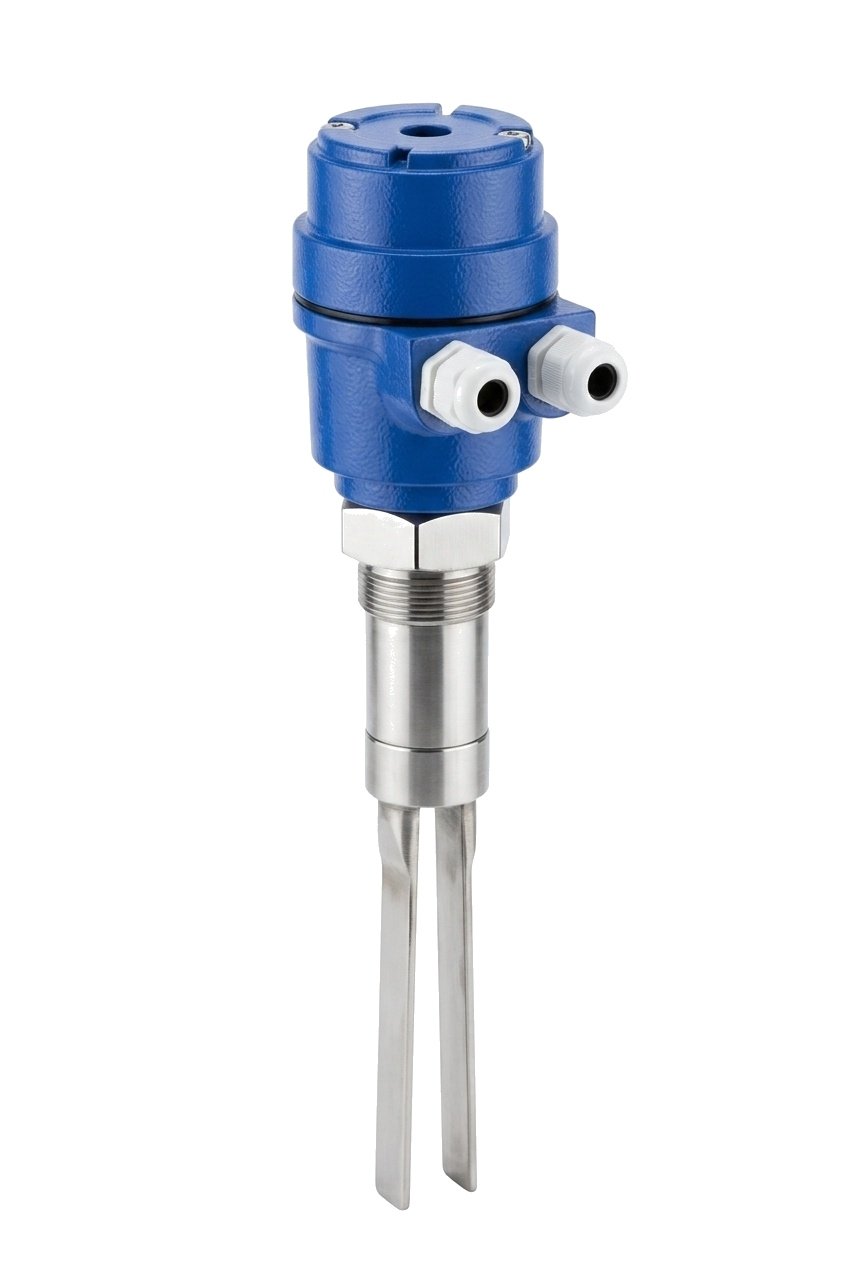
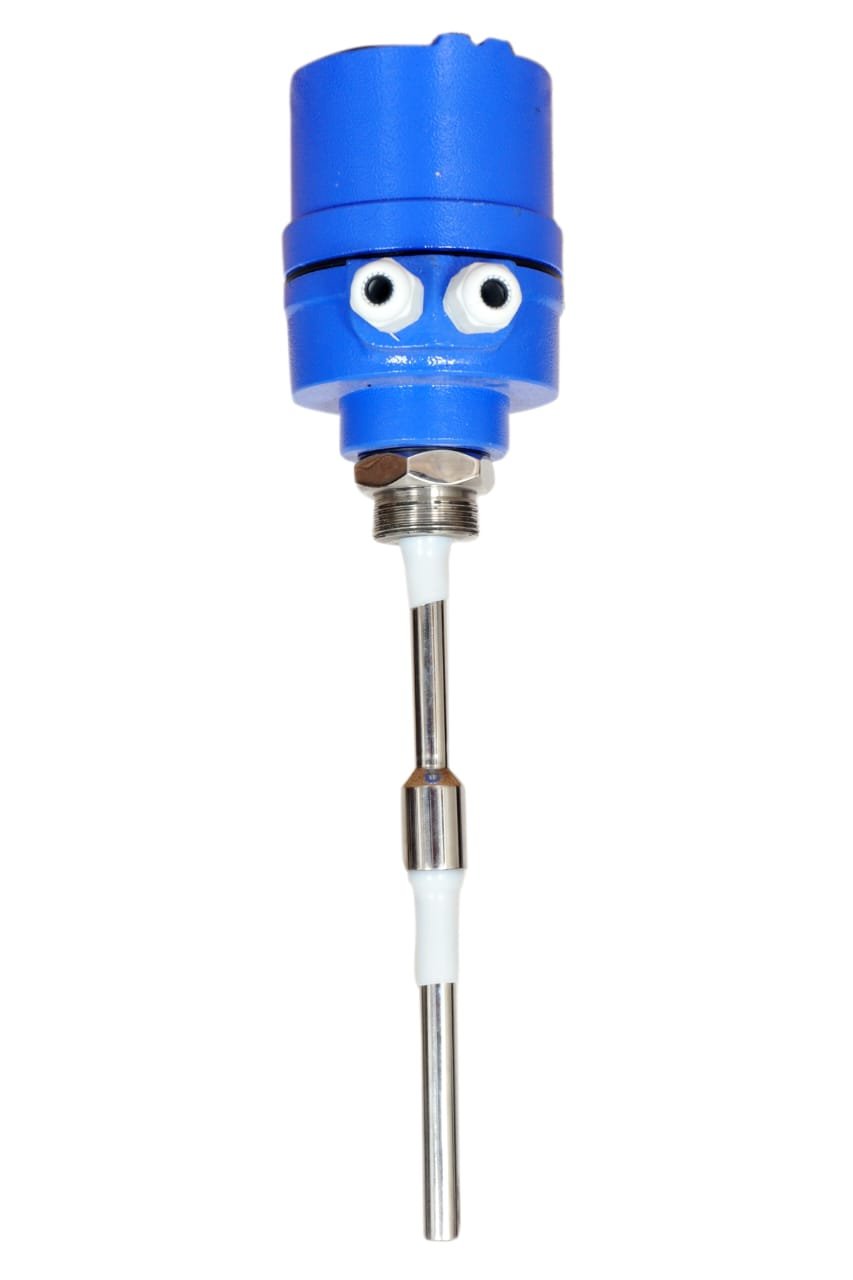
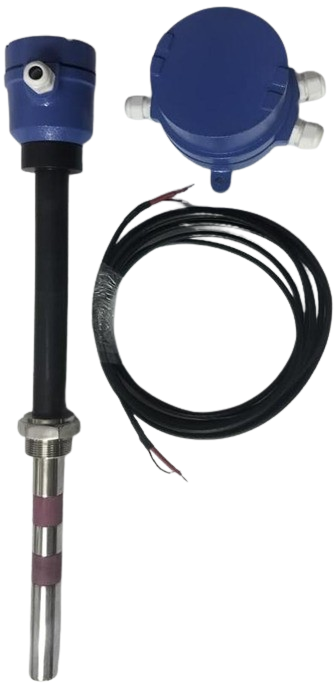
Imagine your production line grinding to a halt because a level sensor keeps triggering false alarms from sticky buildup or moisture. Coating on probes leads to unreliable readings, pumps run dry causing damage, and overfills waste materials in harsh plants. Traditional sensors fail in dusty silos, high-heat tanks, or conductive slurries, costing time and money. The RF admittance level switch solves these issues with advanced technology for precise, maintenance-free detection.
Industrial level measurement often fails due to coating and material buildup on probes, which fools sensors into false alarms. Sticky or conductive materials trigger errors, while high temperatures, pressures, or dust cause outright failures in mechanical or basic capacitive switches. These problems disrupt wastewater plants, food processing, and chemical lines. Levtron's RF admittance level switch stands out as a reliable fix, ignoring buildup for consistent performance.
Ready to end sensor failures?
Discover Levtron's Standard RF Admittance Level Switch today
An RF admittance level switch measures liquid or solid levels by detecting changes in admittance-a mix of capacitance and conductance-without direct contact. Unlike standard capacitive switches, which struggle with coatings, RF admittance uses active shielding for accurate reads in tough spots. It handles liquids, powders, granules, slurries, and sticky materials effortlessly.
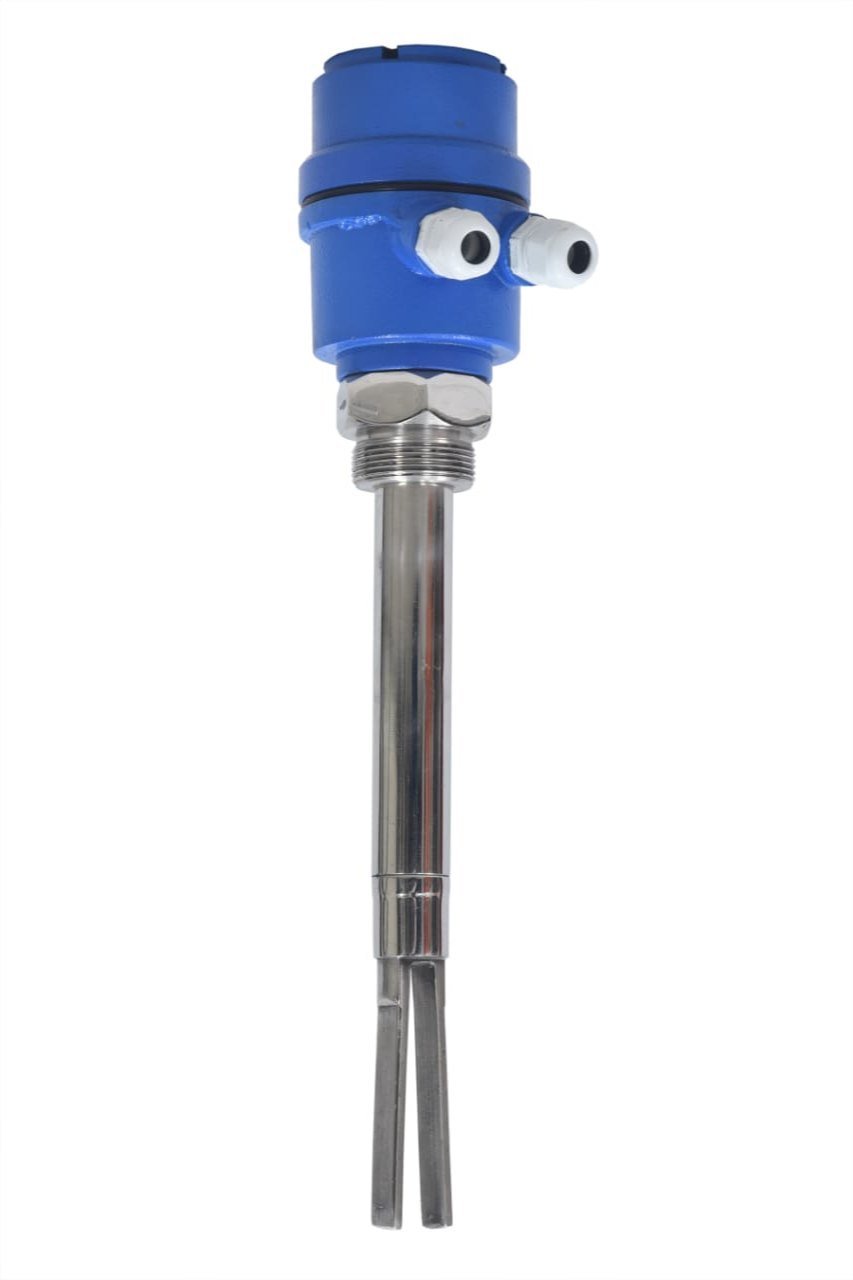
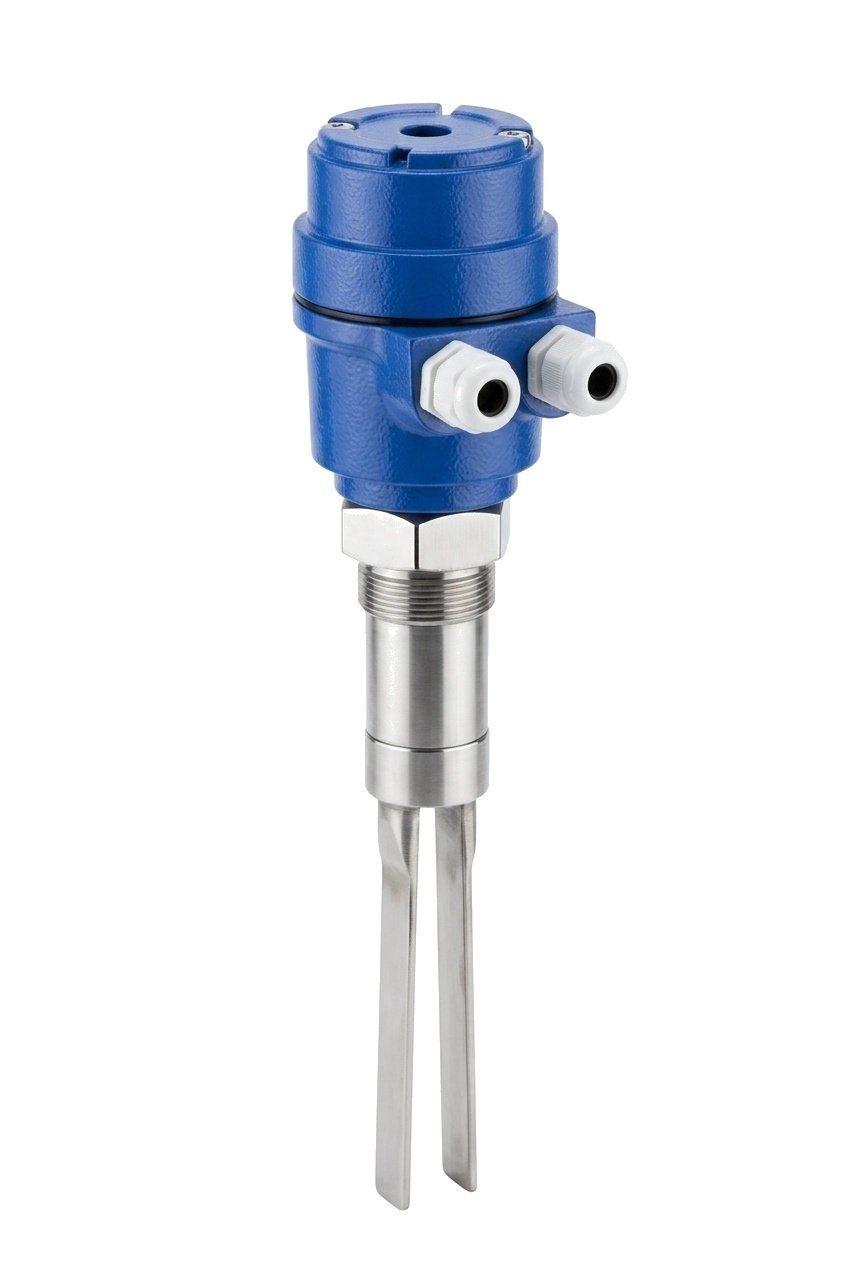
The sensing probe, often a rod or disc, contacts the material to detect level changes based on the application, like tanks or silos.
The active shield matches probe voltage to block current flow, ignoring buildup on the probe for clean measurements.
The RF oscillator sends a high-frequency signal, while the circuit monitors admittance shifts for instant detection.
Robust threaded or flanged connections and housings withstand extreme pressures, temperatures, and static charges.
The RF admittance level switch works by detecting whether material is present or absent at a specific level-without being affected by coating, moisture, or buildup. Below is a practical, step-by-step explanation of how it operates in real industrial conditions.
The RF admittance level switch generates a high-frequency radio signal.
This signal is applied at the same time to:
This RF signal forms the basis for level detection.
Both the sensing probe and the active shield are maintained at equal electrical voltage.
Because there is no voltage difference between them:
This is the key difference between RF admittance and ordinary capacitive level switches.
When the process material (liquid or solid) reaches or comes near the probe, it creates a change in the electrical path between:
The sensing probe
The earth (tank wall or vessel)
This change is called sense-to-earth capacitance.
The RF admittance electronics continuously monitor this change.
In real applications, material often coats the probe surface.
In an RF admittance level switch:
As a result, coating, moisture, or sticky residue does not affect measurement.
Only the actual presence or absence of material is detected.
When the measured admittance crosses the preset level:
This output can be used for:
This reliable switching action is why RF admittance level switches perform consistently even in harsh industrial environments.
Capacitive sensors misread coatings as material levels, but RF admittance focuses only on sense-earth changes. This immunity works for sticky materials, conductive liquids, and hygroscopic powders, preventing downtime.
Compact RF Admittance Level Switch: Small size for tight spaces, low power, easy calibration-ideal for standard tanks.
Heavy Duty RF Admittance Level Switch: Built for extreme conditions, like high-vibration mining.
Rope Type RF Admittance Level Switch: Long probes for deep silos with granules.
Disc Type RF Admittance Level Switch: Stable for slurries and interfaces.?
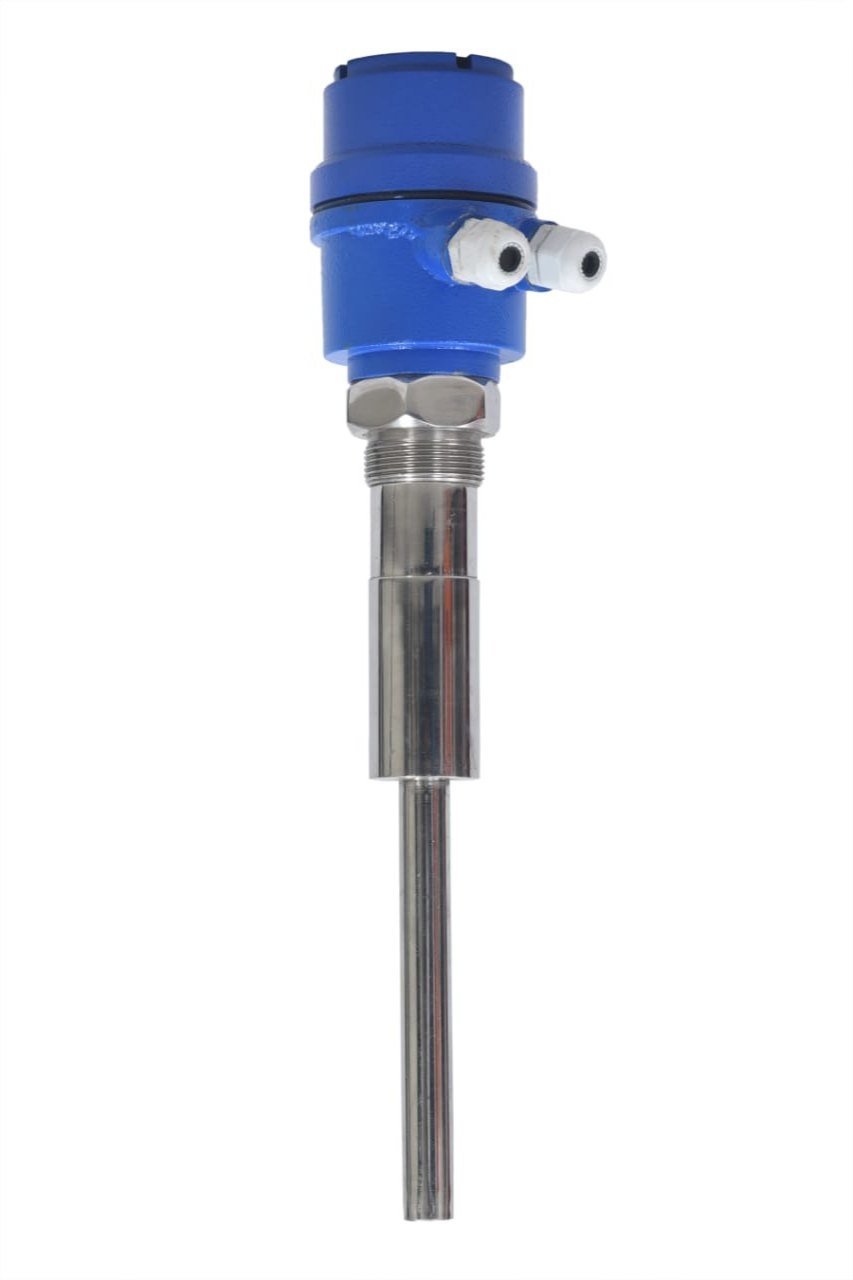
Rod Probe with PTFE Insulation:
Chemically resistant probe suitable for corrosive liquids, slurries, and conductive materials. Performs reliably in applications with moisture and sticky buildup.
Rod Probe with Ceramic Insulation:
Designed for high-temperature and abrasive environments. Ideal for cement, fly ash, minerals, and aggressive bulk solids.
Fully Insulated Rod Probe:
The entire rod is insulated except the sensing tip. Prevents false triggering from vessel walls and internal structures, especially in narrow or metal tanks.
RF admittance level switch applications span chemical plants for hazardous liquids, wastewater for precise monitoring, cement silos for powders, food processing for hygiene, pharmaceuticals for accuracy, and oil/gas for overfill protection.
| Parameter | RF Admittance Level Switch | Capacitive Level Switch |
| Coating immunity | High | Low |
| Sticky materials | Excellent | Poor |
| Reliability | Very high | Moderate |
| Maintenance | Low | High |
RF admittance delivers high accuracy despite buildup, needs minimal maintenance with no moving parts, thrives in harsh environments, lasts long, and integrates easily with controls. Static-safe and Exd-rated options boost safety.
Match to material type like liquids or slurries, check temperature/pressure ratings, consider tank height for probe length, pick mounting like flanged, and meet industry needs like food-grade.
The RF admittance level switch works by smart capacitance detection with shielding, offering unmatched reliability across liquids and solids. Levtron's versions ensure versatility and long-term savings. Ready for precise control?
How does an RF admittance level switch work?
It uses RF signals and shielding to measure sense-earth capacitance changes from material presence.
Can RF admittance level switch detect both liquids and solids?
Yes, for water, oils, powders, grains, and slurries.
Is RF admittance better than capacitive level switch?
Yes, due to coating immunity and higher reliability.
Does coating affect RF admittance level switch performance?
No, active shielding ignores buildup.