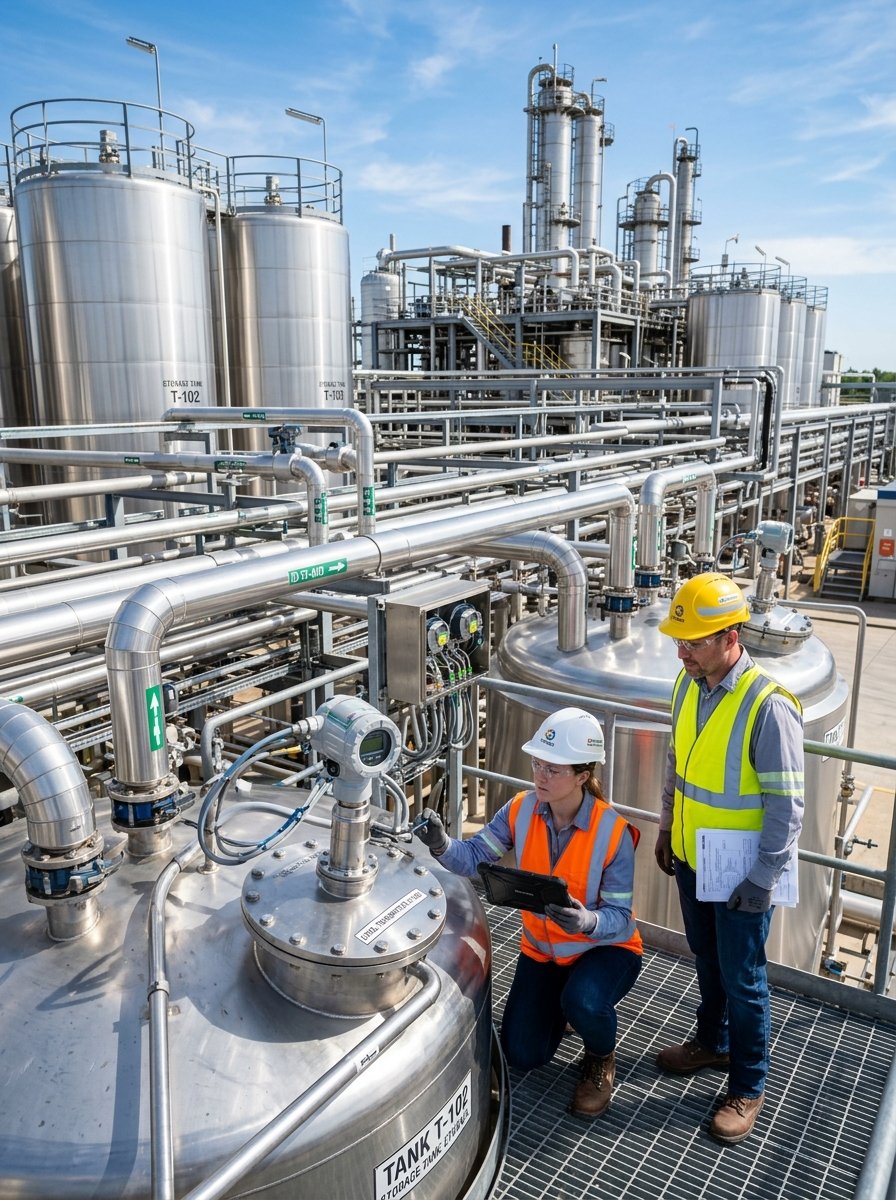
In many industrial plants, level monitoring problems begin with the wrong sensor selection. Tanks overflow, hoppers run empty, or pumps fail because the installed level switch cannot handle the material, temperature, or process conditions. Engineers often face this challenge when working with powders, liquids, slurry, or bulk solids stored in silos, vessels, or tanks.
Choosing the right level switch for your application is essential to ensure safe and reliable operations. The correct sensor helps detect high or low material levels accurately and prevents costly downtime, material loss, or equipment damage.
In industries such as cement, food processing, chemicals, and agriculture, level switches are widely used to monitor storage systems and automate industrial processes. However, selecting the right technology depends on several factors, including material type, temperature, pressure, and installation conditions.
This guide explains how to choose the right level switch by understanding the available technologies and the key factors that influence their performance.
A level switch is an industrial device used to detect the presence or absence of material at a specific level inside a tank, silo, hopper, or vessel. It sends a signal when the material reaches a predetermined point.
Level switches are commonly used for:
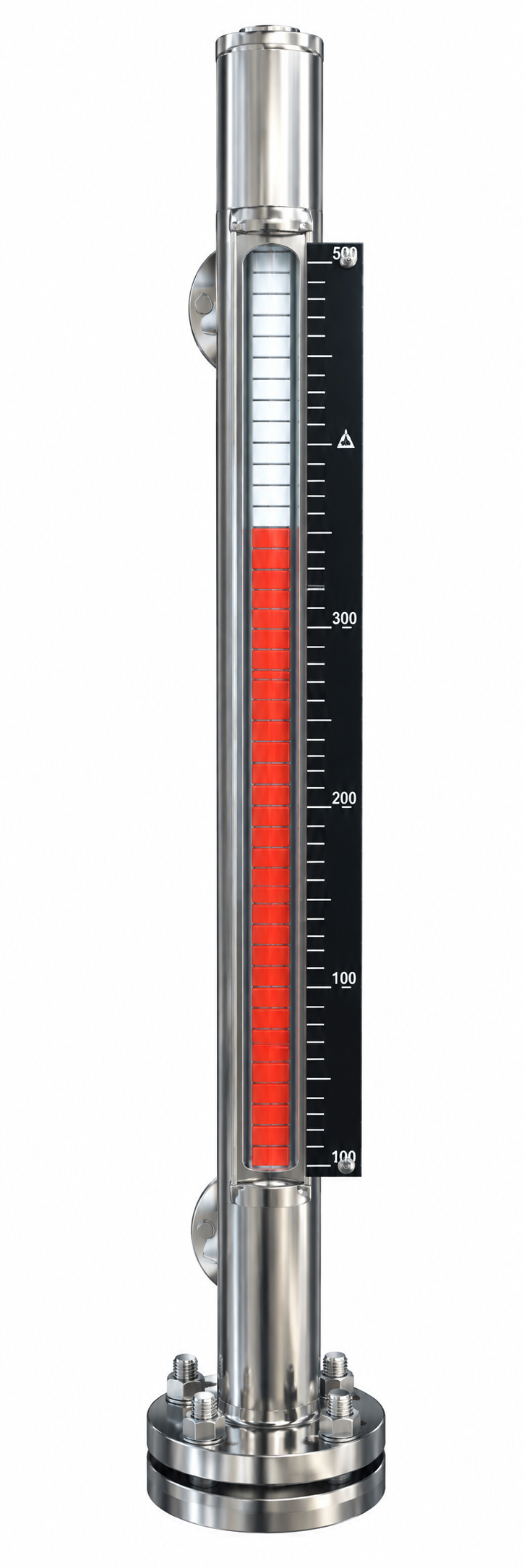
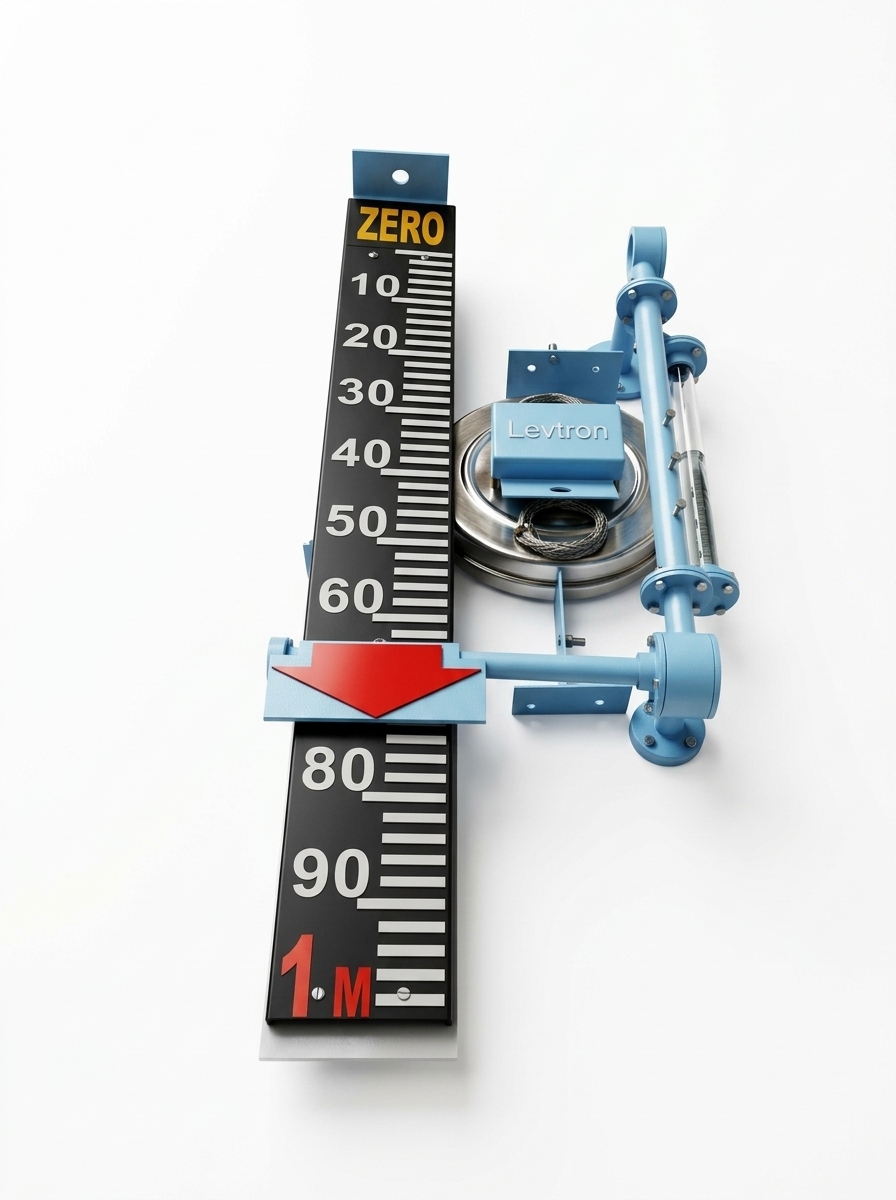
Unlike level transmitters that provide continuous level measurement, level switches operate at a fixed point and trigger an alarm, relay output, or control action when the material reaches that point.
Selecting the correct level switch directly impacts the reliability and efficiency of your process.
A properly chosen sensor helps:
Prevent overflow and dry-run conditions
Level switches automatically trigger alarms or control systems when material reaches a critical level.
Improve process safety
Reliable level monitoring reduces the risk of spills, equipment damage, and unsafe working conditions.
Reduce maintenance and downtime
A suitable sensor works consistently without frequent adjustments or replacements.
Ensure accurate material monitoring
Different materials behave differently inside tanks and hoppers. Choosing the correct sensor ensures accurate detection.
For industries that rely on bulk material handling, a dependable level switch is a critical component of the overall automation system.
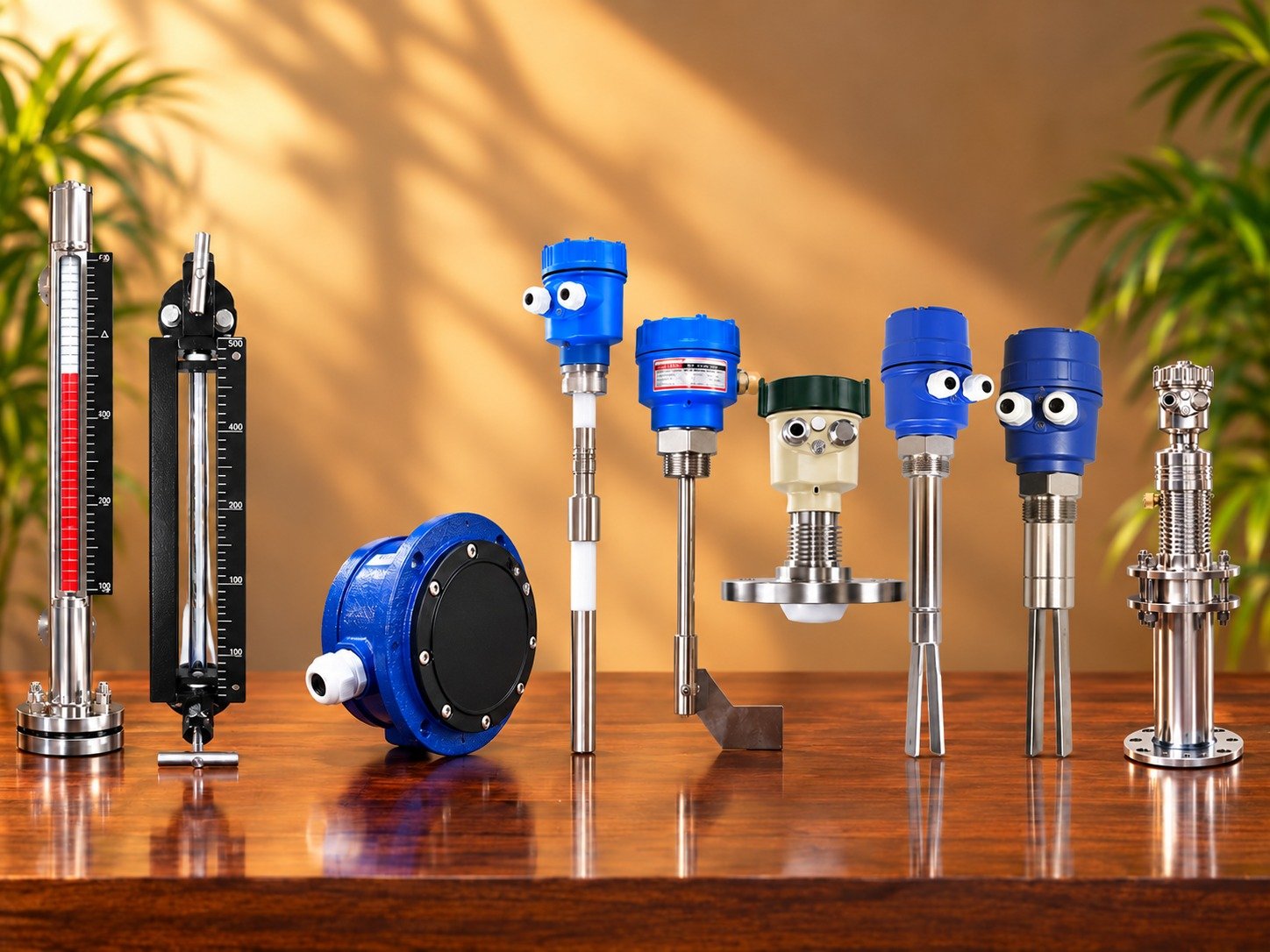
Different technologies are available to detect material levels. Each type is designed for specific materials and operating conditions.
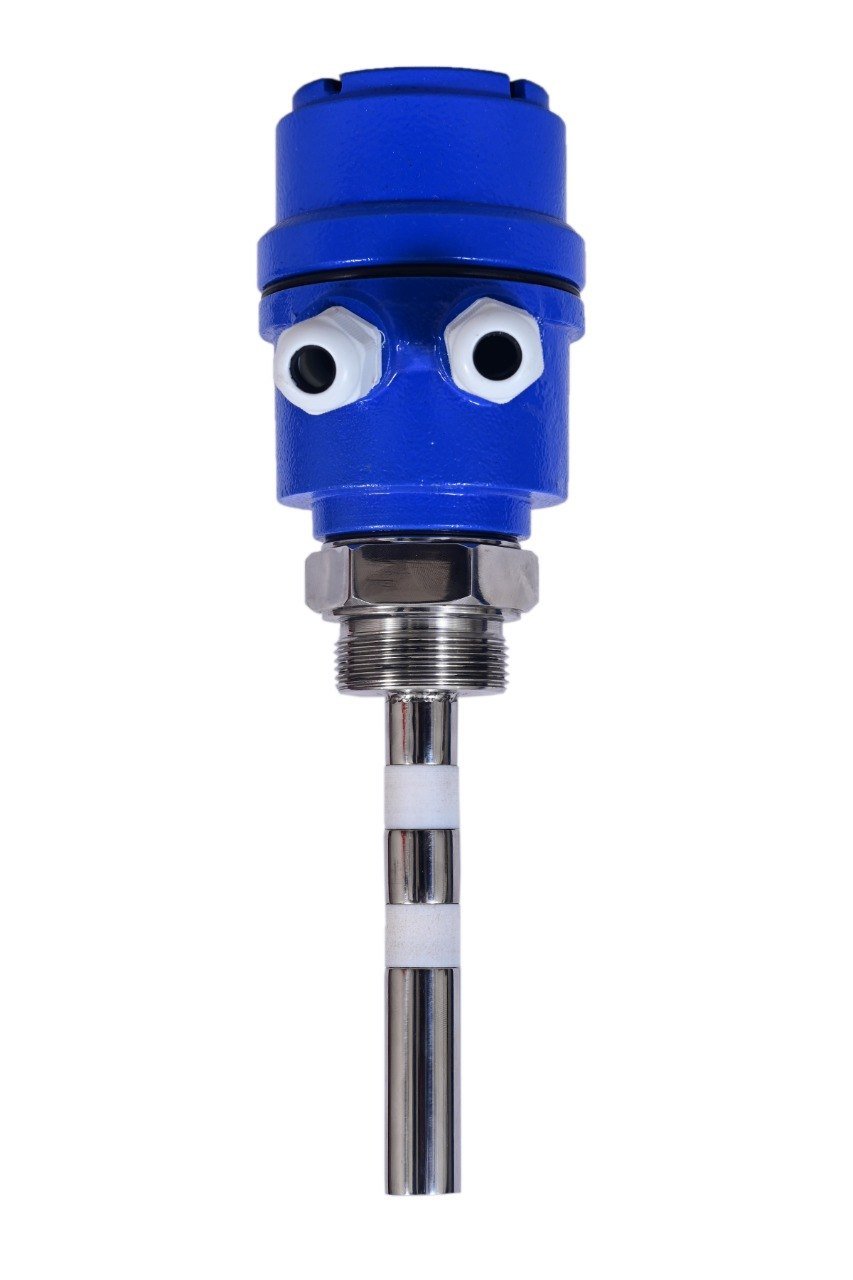
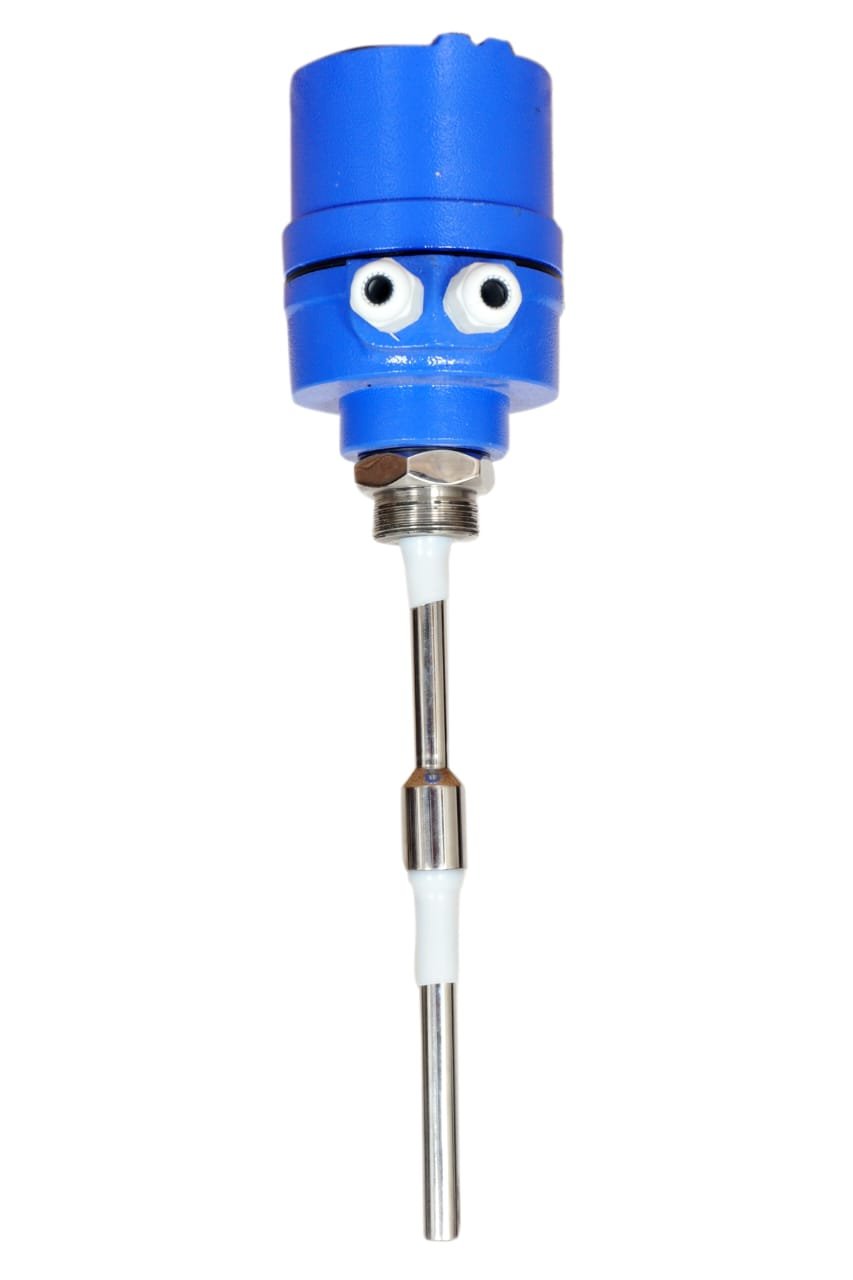
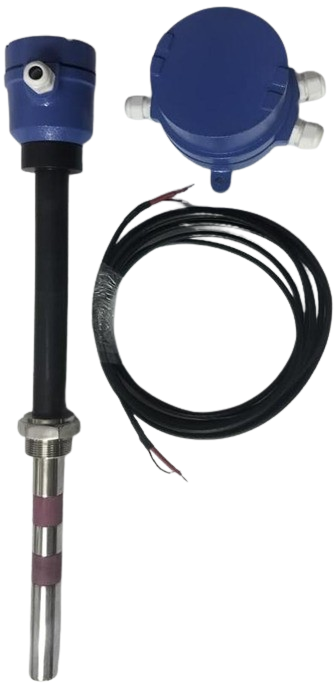
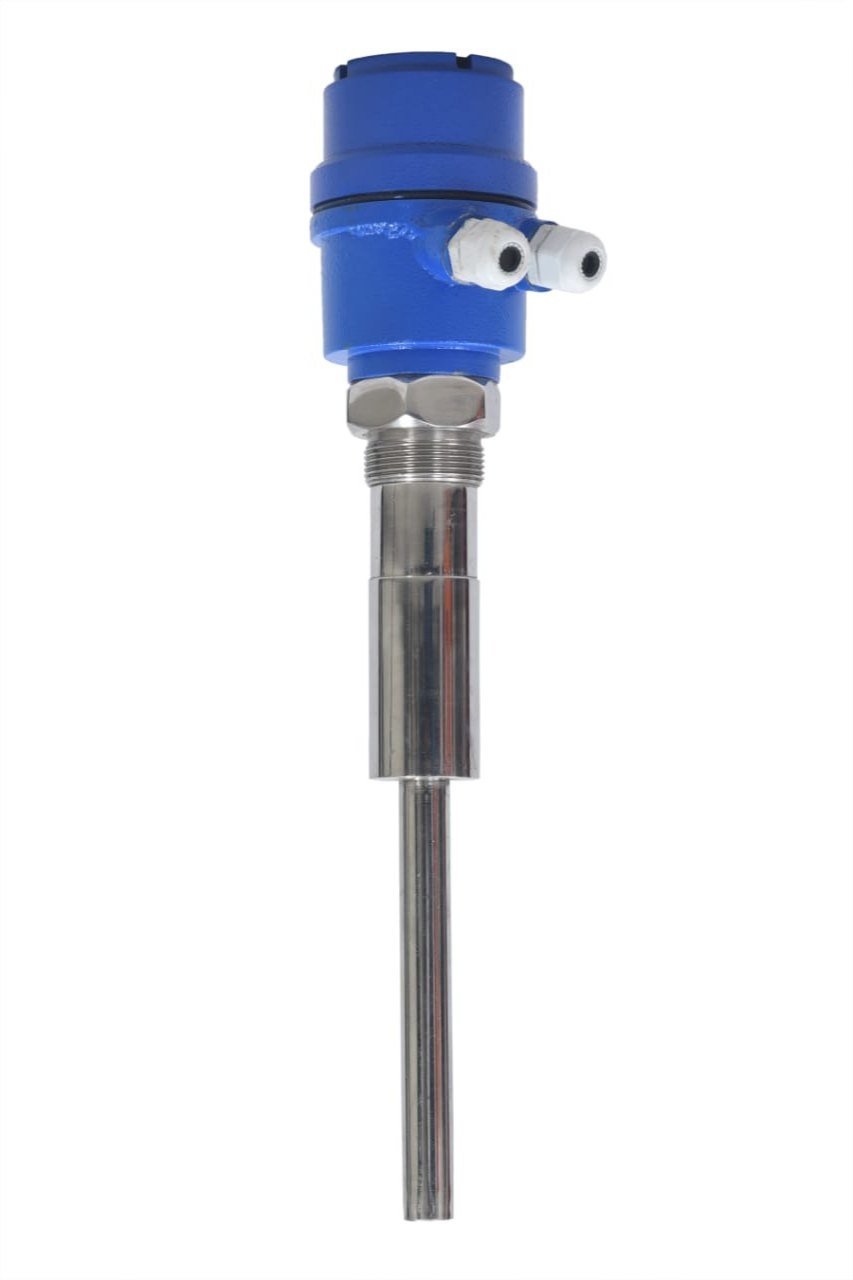
An RF capacitance level switch detects level changes by measuring variations in capacitance between the probe and the surrounding material.
This type of switch works well with:
It is commonly used in silos, bins, and hoppers where materials such as cement, grains, or chemicals are stored.
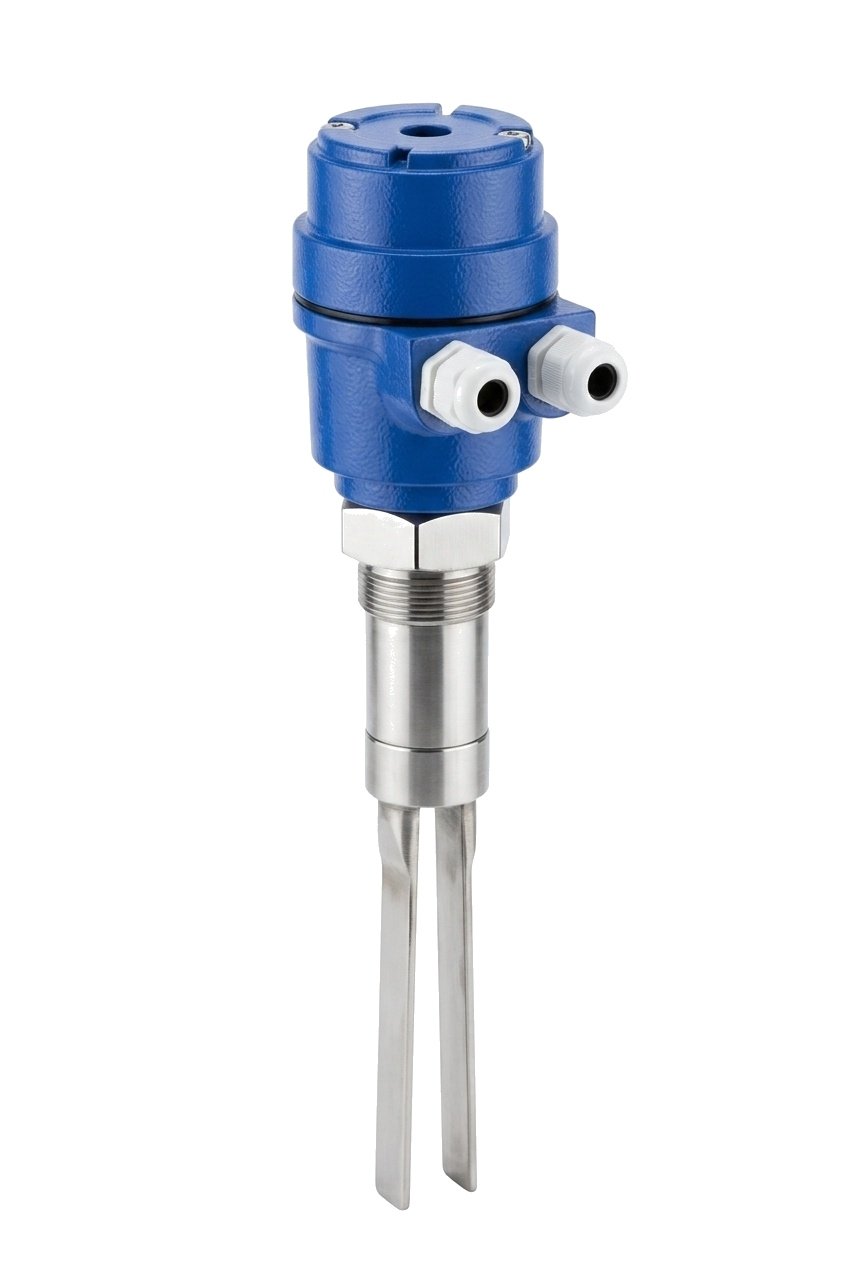
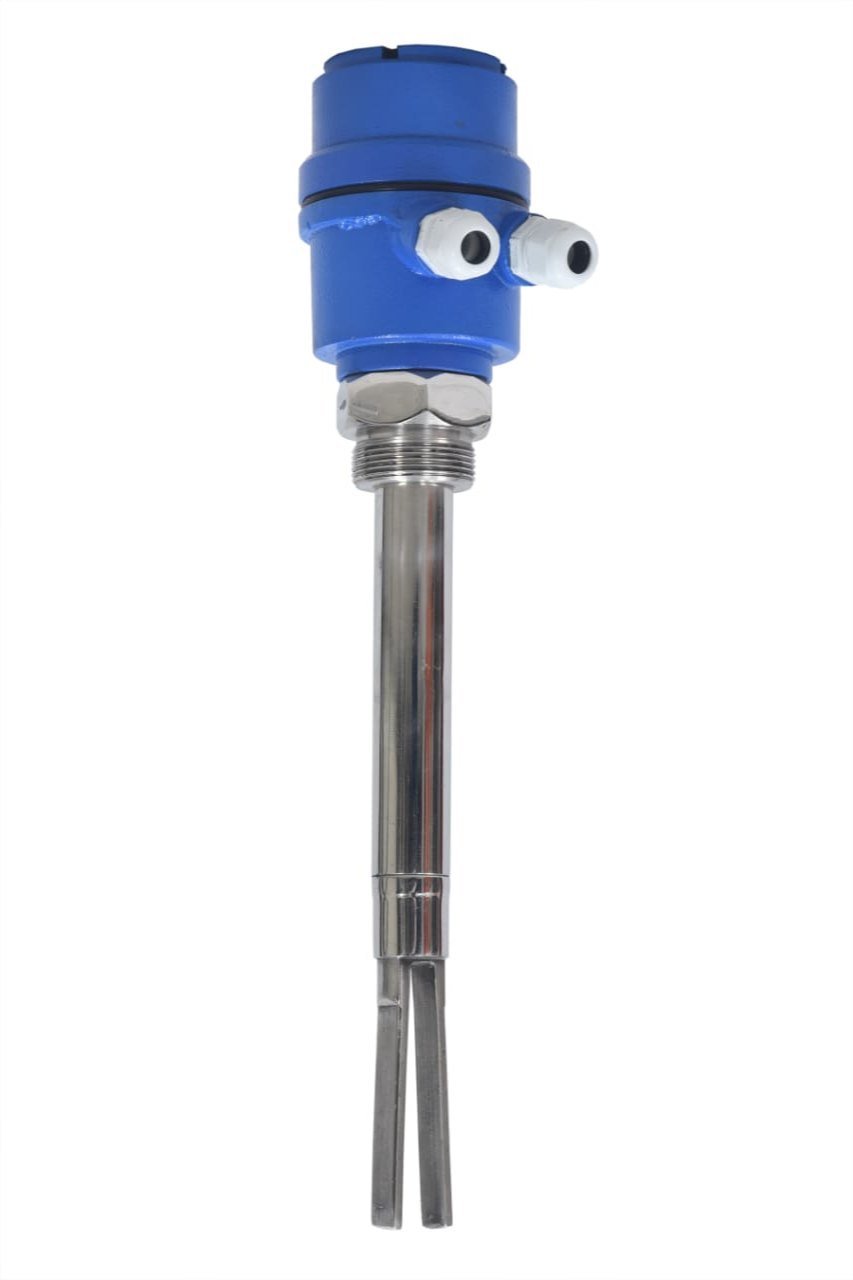
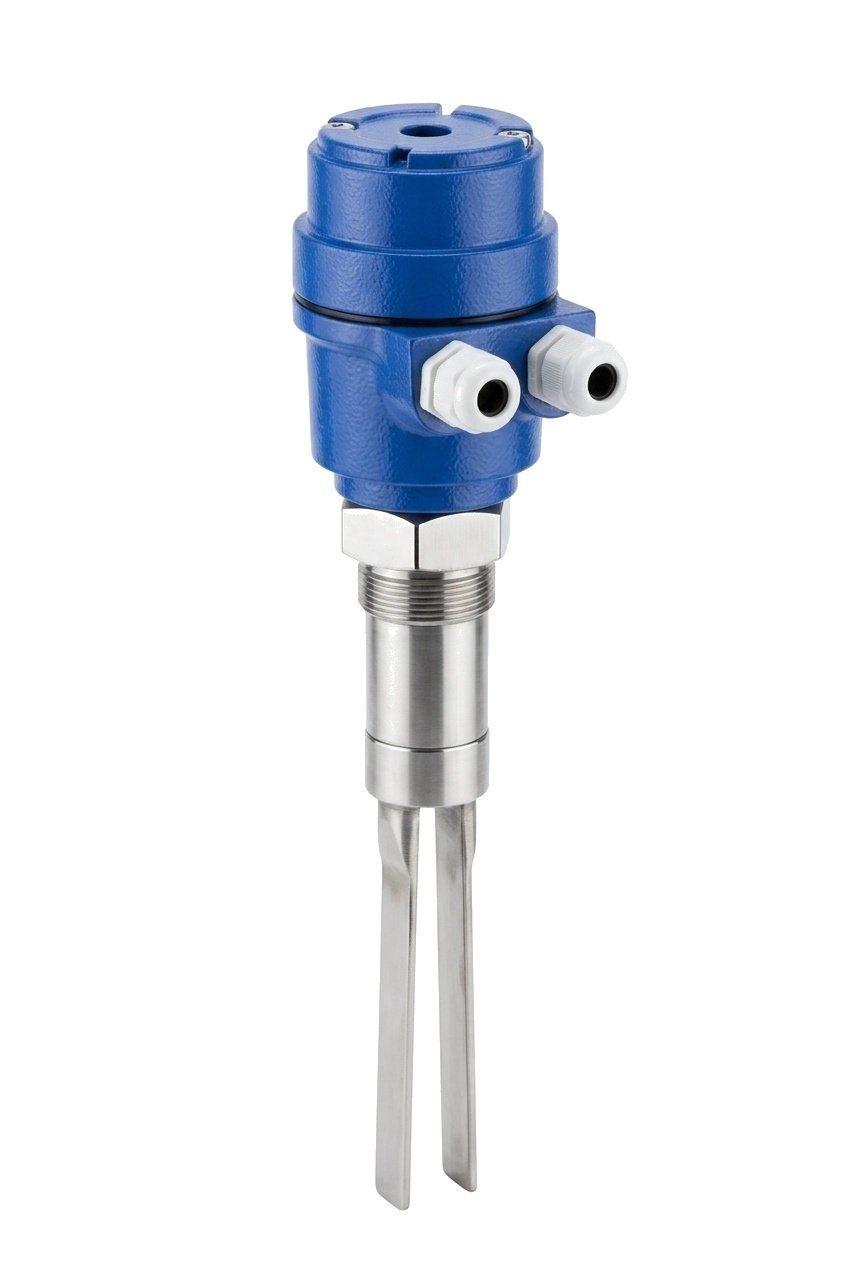
A vibrating fork level switch uses a tuning fork that vibrates at a fixed frequency. When the material comes into contact with the fork, the vibration changes and triggers the switch.
It is widely used for:
This technology is known for its reliability and minimal maintenance requirements.
A vibrating rod level switch operates similarly to a vibrating fork but is designed for bulk solids and heavy materials.
Typical applications include:
The vibrating rod provides stable performance even in dusty or challenging environments.
A rotating paddle level switch consists of a motor-driven paddle that rotates continuously. When material blocks the paddle, the rotation stops, activating the switch.
This sensor is commonly used for:
Industries such as agriculture, plastics, and cement manufacturing often rely on rotating paddle switches for hopper level monitoring.
A conductivity level switch detects liquid levels using electrical conductivity between electrodes.
It is suitable for conductive liquids, including:
These switches are often used in water treatment plants and industrial liquid storage systems.
Selecting the right level switch requires understanding your process conditions and material properties.
The first factor to consider is the type of material stored in the tank or hopper.
Examples include:
Each material behaves differently, so the sensor must be compatible with its physical properties.
Industrial environments can involve extremely high or low temperatures. The level switch must be able to operate safely within the process temperature range.
For example, cement plants and chemical processing facilities often operate at elevated temperatures that require specialized sensors.
Some storage vessels operate under pressure. In such cases, the level switch must be designed to handle the pressure conditions without affecting performance or safety.
The installation point also plays a role in sensor selection.
Common mounting options include:
The design of the tank or hopper will determine the best mounting position for accurate detection.
In many industries, materials can stick to sensor probes or create heavy dust conditions.
A reliable level switch should be capable of handling:
Choosing the right technology helps maintain accurate readings even in challenging conditions.
The shape and structure of the vessel also influence sensor selection.
Important design aspects include:
Understanding these factors ensures that the level switch is installed in the most effective location.
Level switches are widely used in many industrial sectors.
Used to monitor material levels in cement silos and hoppers, preventing overflow and ensuring smooth material flow.
Used for monitoring levels of flour, sugar, grains, and other ingredients in storage systems.
Level switches help maintain safe storage conditions for chemical liquids and powders.
Used in grain silos and feed storage systems to monitor material levels and improve storage management.
Conductivity level switches are commonly used to monitor water levels in treatment tanks and reservoirs.
Industrial level monitoring often involves challenging conditions.
Some common problems include:
Selecting the correct level switch technology helps overcome these challenges and ensures reliable operation.
Before choosing a level switch, consider the following guidelines.
Understand your process conditions
Review the material type, temperature, pressure, and tank design.
Select the appropriate technology
Different level switches perform better with specific materials and environments.
Check compatibility with control systems
Ensure that the sensor output matches your automation or monitoring system.
Consider maintenance requirements
Choose sensors that offer long-term reliability with minimal maintenance.
Working with experienced level measurement specialists can also help ensure the right solution for your application.
Level switches play a vital role in maintaining safe and efficient industrial processes. From preventing tank overflows to protecting pumps from dry running, these devices provide reliable level detection in a wide range of applications.
However, choosing the right level switch requires careful consideration of factors such as material type, process conditions, and installation environment.
By selecting the correct technology for your application, industries can improve operational efficiency, reduce downtime, and maintain consistent process performance.
What is the difference between a level switch and a level sensor?
A level switch detects material presence at a fixed point, while a level sensor or transmitter provides continuous level measurement.
Which level switch is best for powders and bulk solids?
RF capacitance, vibrating rod, and rotating paddle level switches are commonly used for powders and bulk solids.
Where are RF capacitance level switches used?
They are widely used in silos, hoppers, and storage vessels handling powders, liquids, and slurry materials.
How do level switches prevent tank overflow?
When the material reaches a preset level, the switch activates an alarm or control system that stops filling or triggers corrective action.