• We work with global industries!

Common Silo Problems in Industrial Storage Systems (And How to Prevent Them)

Why Silo Problems Cost More Than You Think

Are you facing unexpected shutdowns, cement dust overflow, or inconsistent material discharge from your silos?

These are not isolated incidents. They are some of the common silo problems in industrial storage systems, and they quietly increase operational costs every day.

Many plant managers only react when a major failure happens. But by then, the damage is already done.

Industrial silos are used to store cement, grains, powders, chemicals, and minerals.

When storage systems are not monitored properly, small issues turn into serious bulk material storage problems. Production slows down.

Equipment suffers. Safety risks increase.

The important truth is this: most industrial storage silo issues are preventable with proper monitoring and level detection systems.

Let’s understand how these problems occur and how they can be avoided.

How Industrial Silos Work

An industrial silo is designed to store bulk solids safely and discharge them in a controlled manner.

Material enters from the top during filling and exits from the bottom during discharge.

While this process sounds simple, it depends on several critical factors working together.

Inside the silo, pressure must remain balanced. Material must flow smoothly without obstruction.

Most importantly, the material level must be accurately monitored.

If level monitoring is weak or absent, operators lose visibility. Overfilling, underfilling, and pressure imbalance begin to occur.

That is where operational risks start.

Major Common Silo Problems in Industrial Storage

Silo Overfilling and Overflow

One of the most serious issues is the silo overflow problem.

This typically happens when there is no reliable high level detection system installed or when sensors fail during filling.

In industries such as cement manufacturing, cement silo overfilling leads to dust pollution, material wastage, and damage to vent filters.

In severe cases, structural stress may develop due to pressure imbalance.

Overfilling often results from:

  • Lack of automatic level monitoring
  • Operator dependency during truck loading
  • Sensor malfunction
  • No integration with alarm systems

Without early detection, overflow becomes inevitable.

Material Bridging and Arching

Another common issue is material bridging in silo systems. Bridging occurs when bulk solids form an arch across the discharge outlet.

Material above the arch remains suspended, stopping normal flow.

Powders like cement or flour are especially prone to this behavior.

Moisture, particle size, and storage conditions contribute to arch formation.

When bridging occurs, operators may believe the silo is empty because material stops flowing.

In reality, the silo may still contain a large volume of material. This false reading disrupts production and planning.

Understanding how to prevent silo bridging requires proper monitoring of both high and low levels.

Ratholing and Uneven Flow

Ratholing is another flow-related issue. Instead of emptying evenly, material forms a narrow flow channel in the center while the sides remain full.

This creates uneven discharge and inaccurate inventory estimation.

Over time, accumulated dead stock along silo walls reduces storage efficiency and may require manual intervention to clear.

Inaccurate Level Monitoring

Many facilities still rely on visual inspection or manual checking. This method is risky and inefficient.

Operators may climb ladders to inspect levels, which increases safety hazards.

Sensor failure is another concern. When incorrect technology is selected for the application, readings become unreliable.

Overfilling and unexpected empty conditions become common.

Reliable level switches eliminate this uncertainty by providing consistent and automatic detection.

Blocked Vent Filters and Pressure Build-Up

During filling operations, air inside the silo must escape through vent filters.

If these filters are clogged with dust, internal pressure rises.

Excess pressure can lead to structural damage or dust emissions. Regular inspection and monitoring are essential to maintain safe operation.

Structural Stress and Collapse Risk

Although rare, silo collapse is often linked to operational causes rather than structural design flaws.

Uneven loading, repeated overfilling, and pressure imbalance increase stress on silo walls.

Preventing these issues requires proactive monitoring rather than reactive repair.

Root Causes Behind Most Silo Problems

When we analyze these problems closely, a pattern becomes clear. Most failures stem from operational gaps rather than equipment defects.

Common root causes include:

  • Absence of reliable level detection
  • Poor automation integration
  • Inadequate preventive maintenance
  • Incorrect sensor selection

Without accurate monitoring, the entire storage process operates without clear visibility.

How Proper Level Monitoring Prevents Silo Failures

Rotating Paddle Level Switch

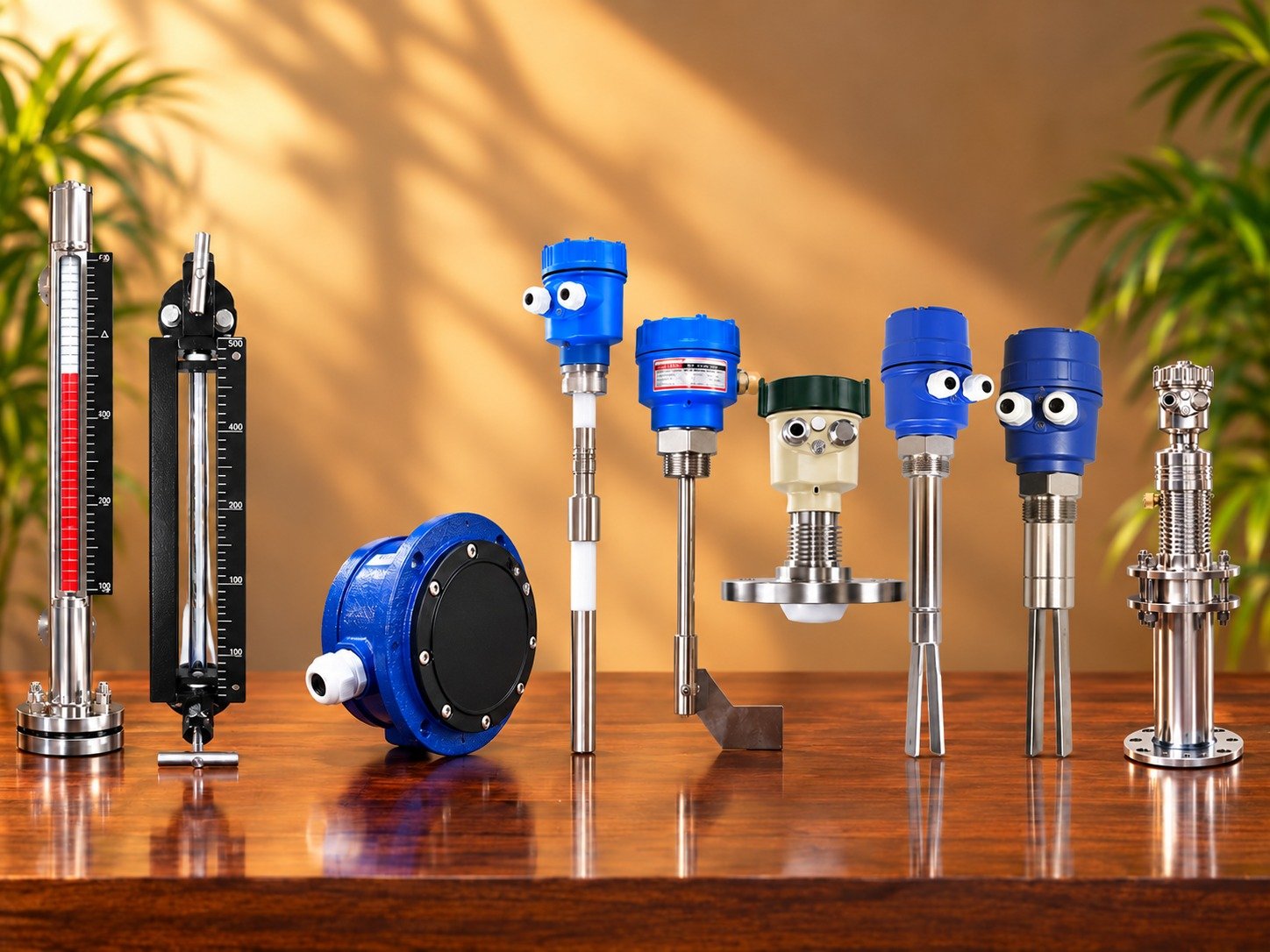
A robust industrial level monitoring system acts as the first line of defense against storage failures.

Modern level technologies are designed to detect both high and low material levels accurately.

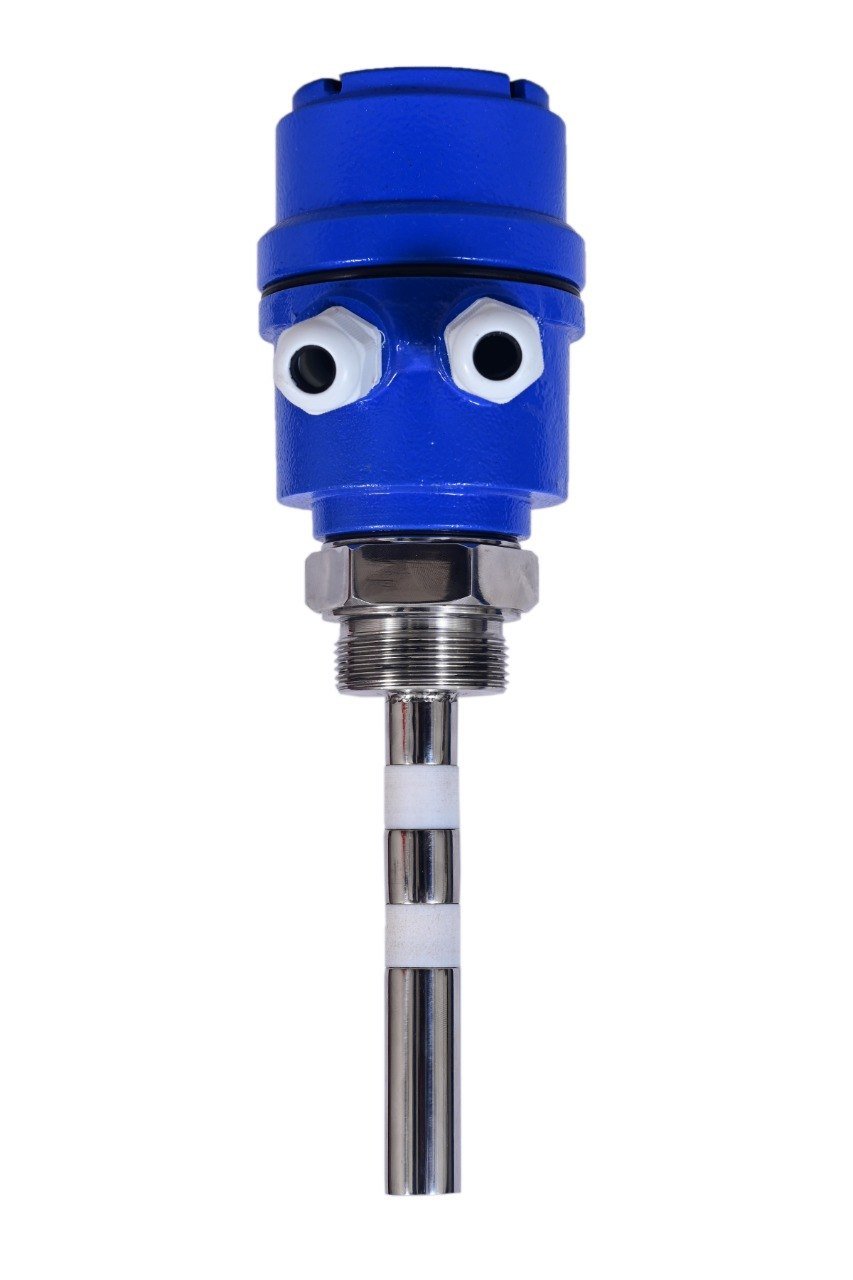
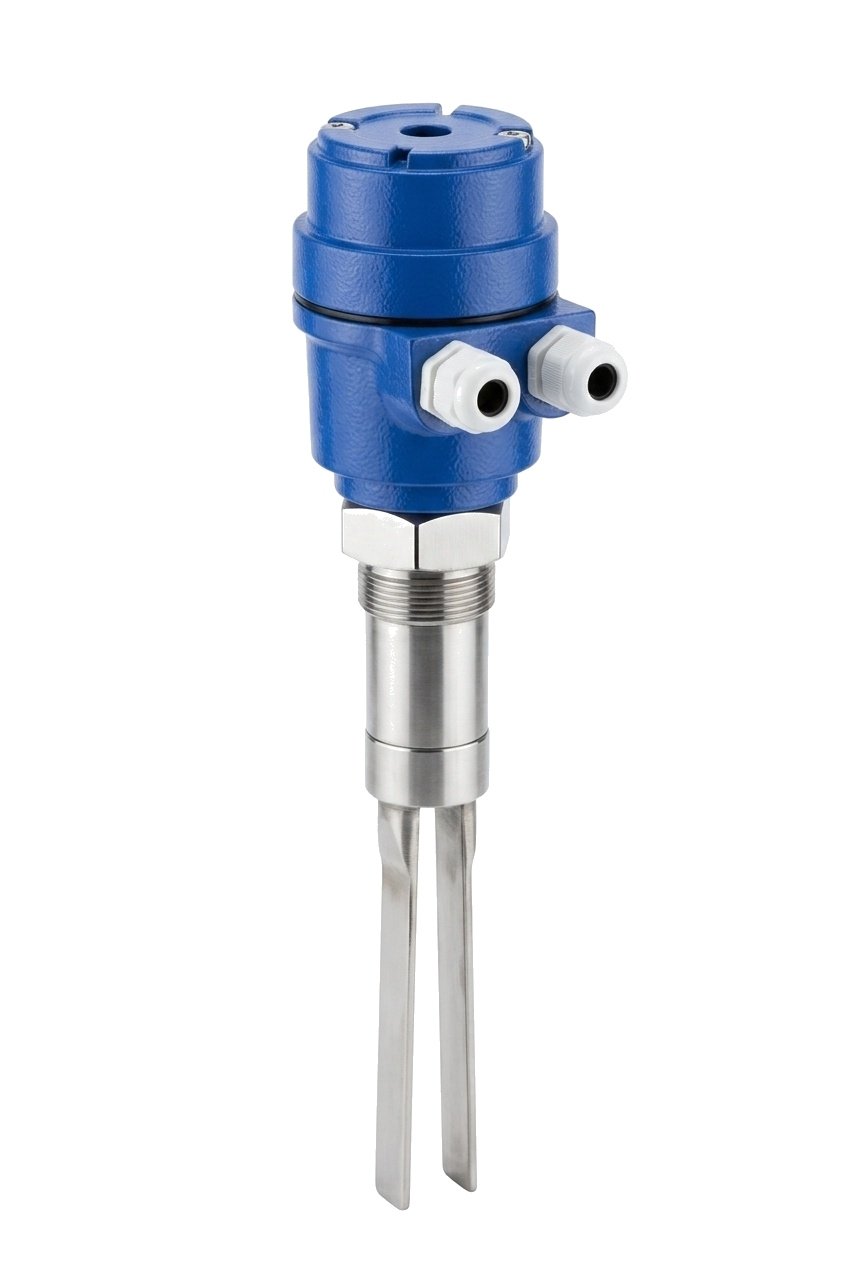
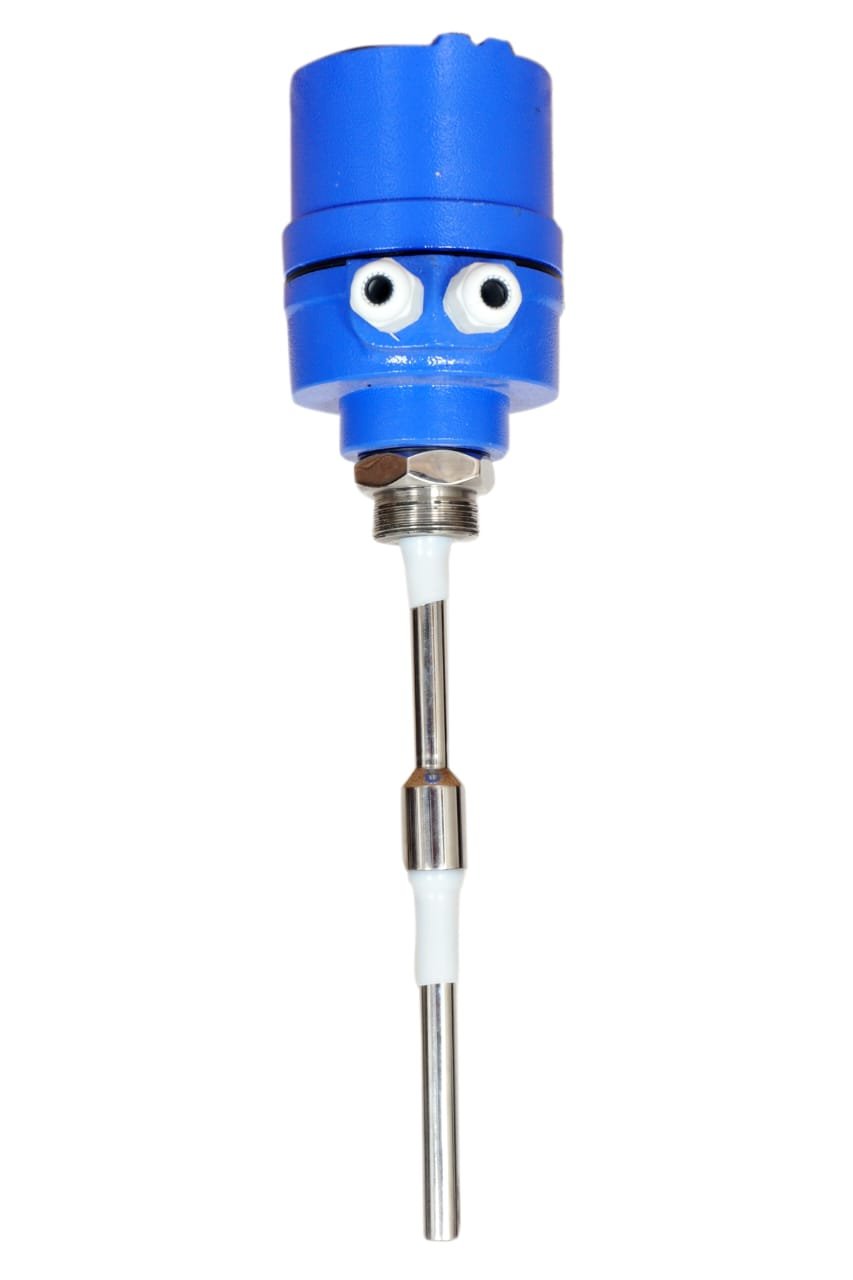
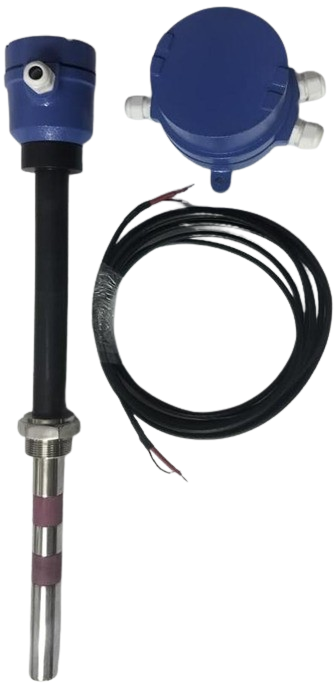
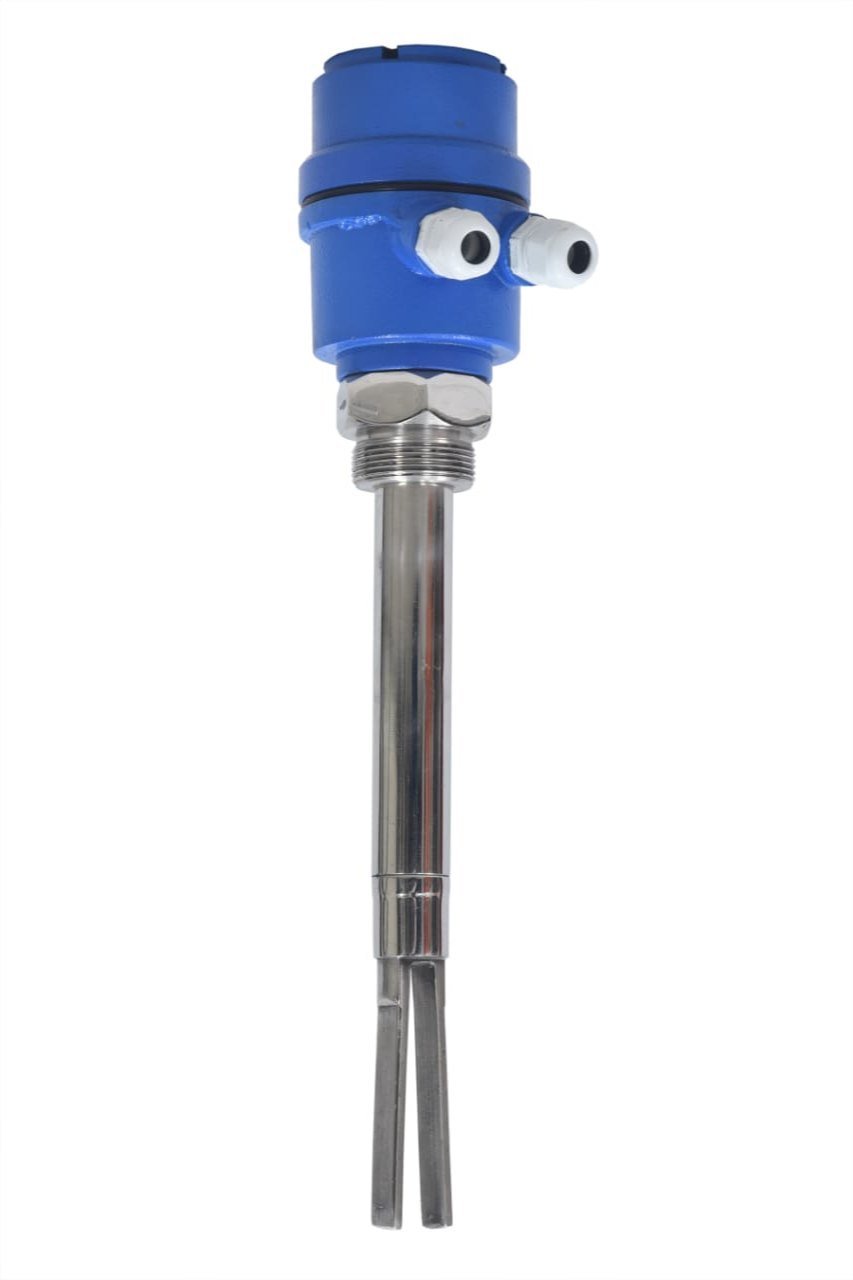
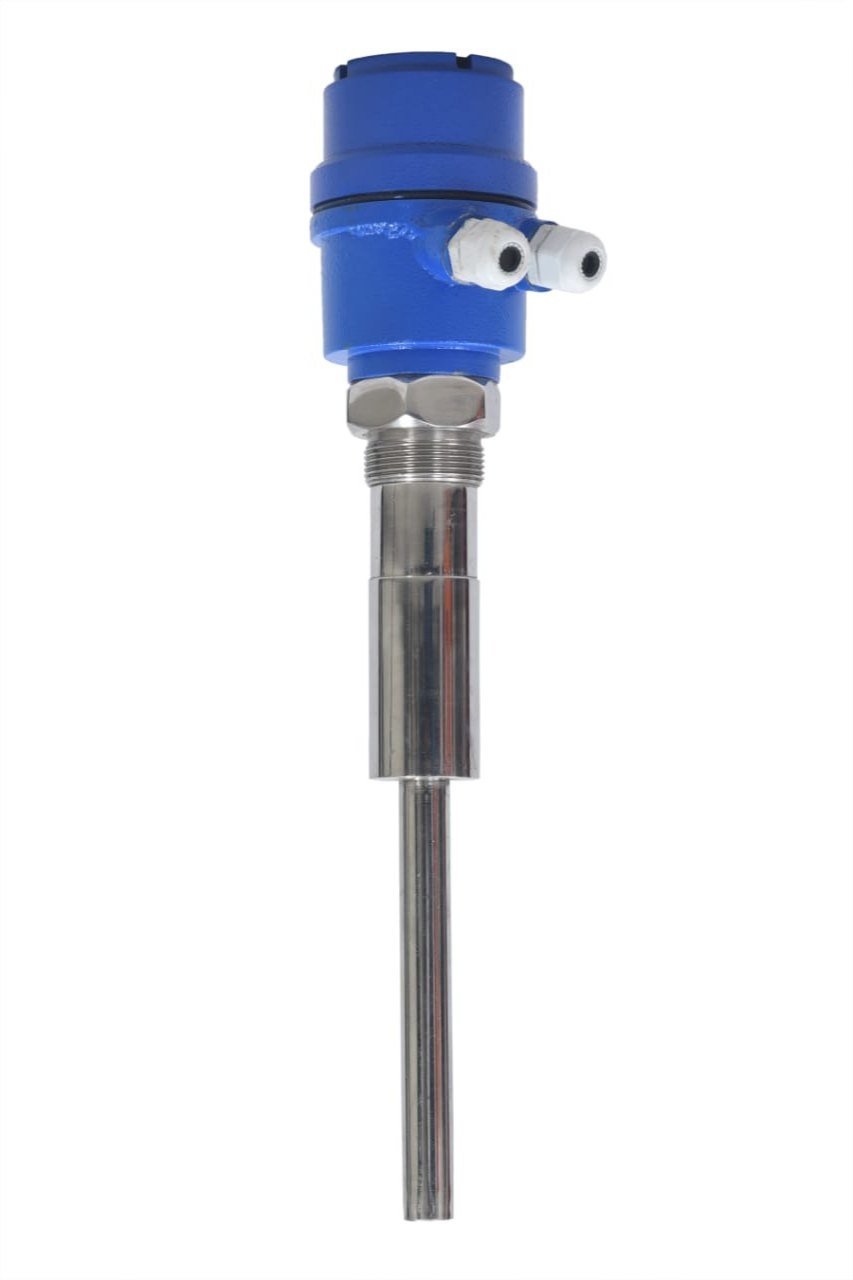
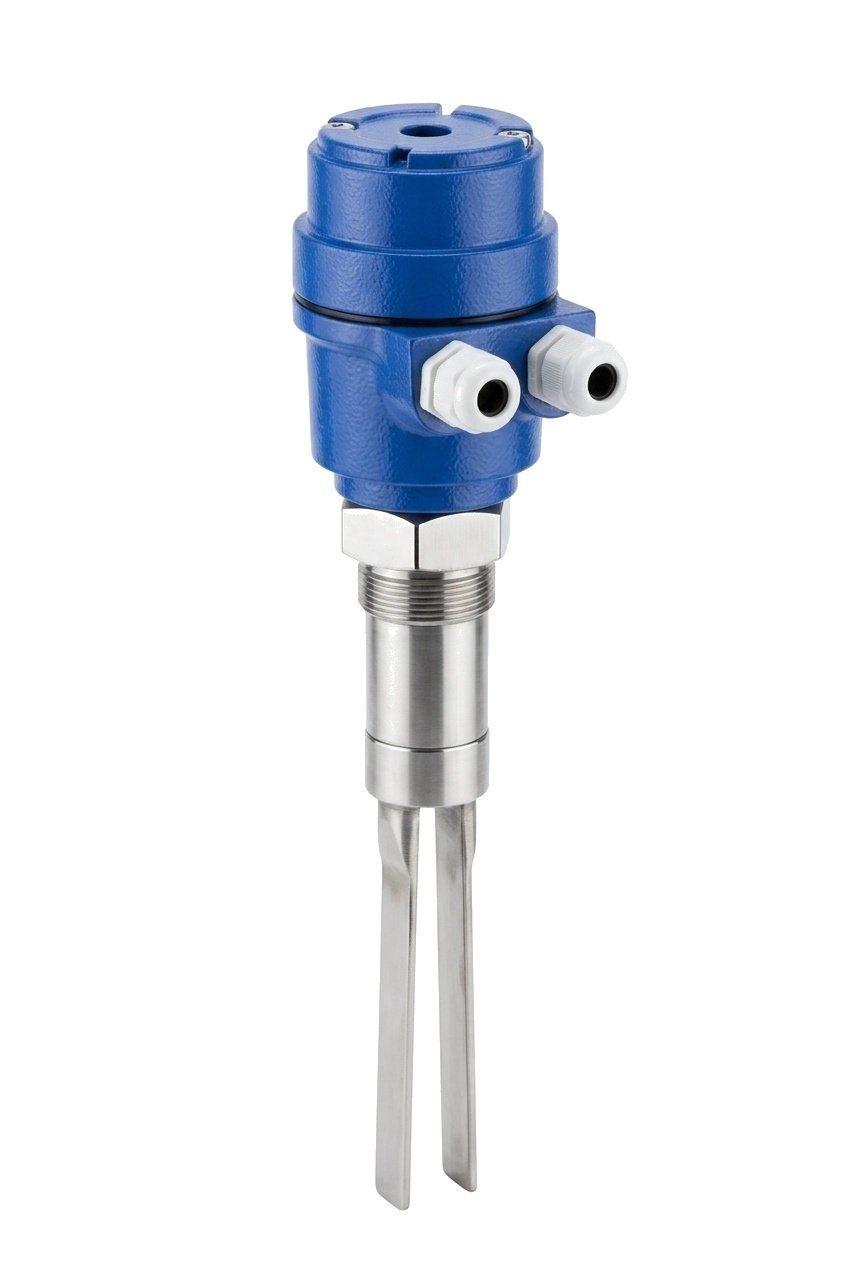
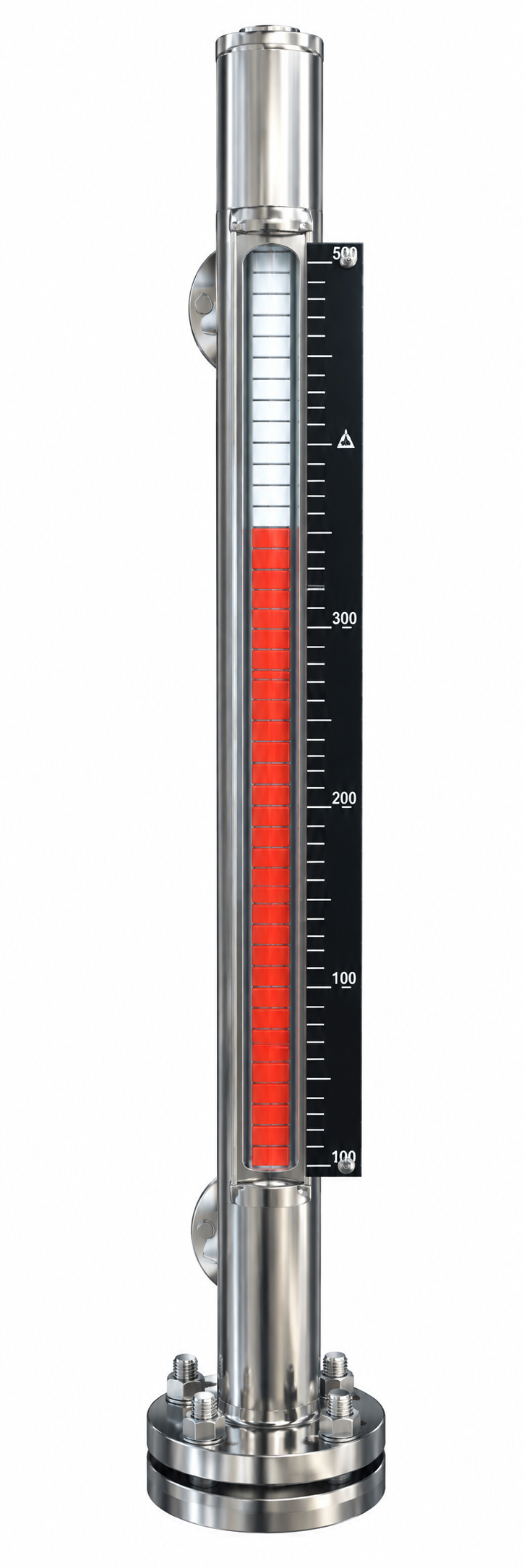
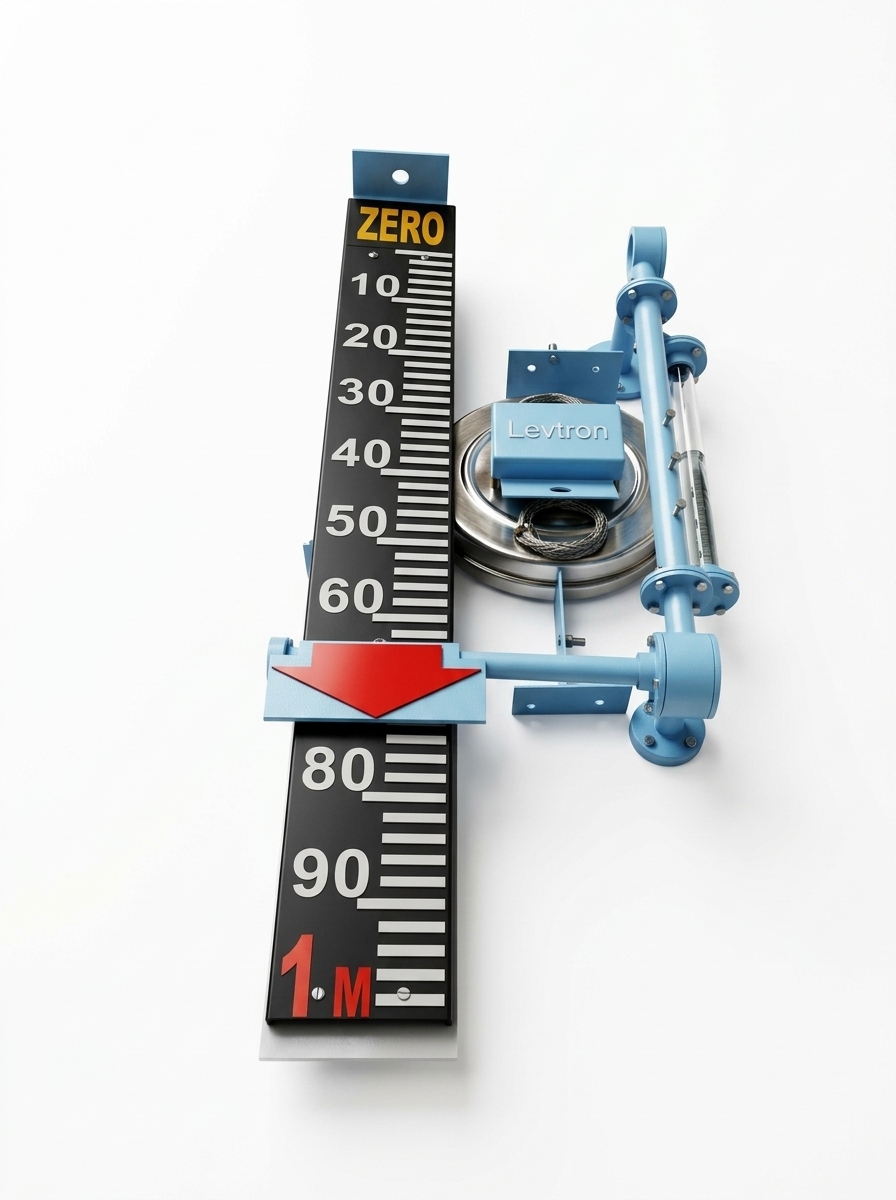
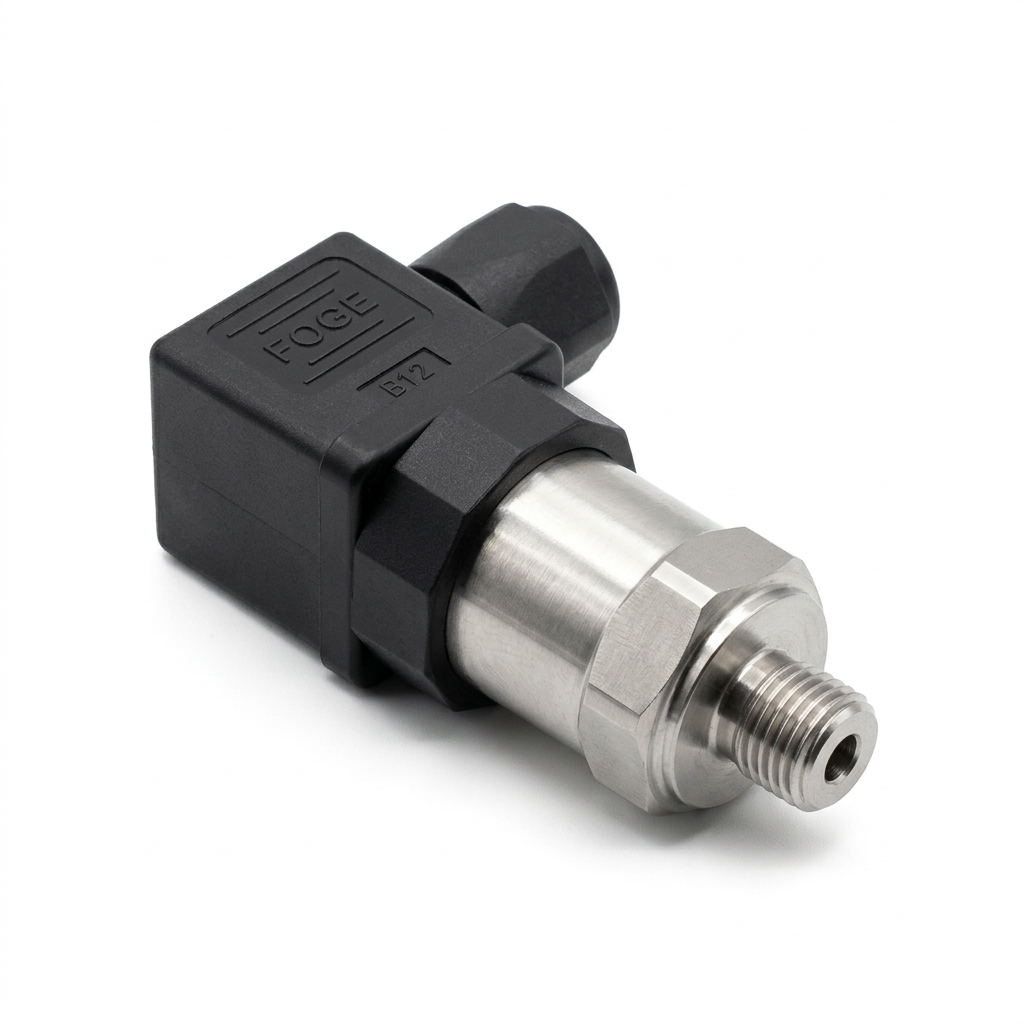
For bulk solids, commonly used solutions include:

These devices function as a silo level sensor or bulk solid level switch.

They detect material presence and trigger alarms or automatic shut-off systems before overflow occurs.

High-level detection prevents overfilling. Low-level protection avoids dry running or unexpected discharge interruptions.

When integrated with control panels or PLC systems, they enable safe and automated operation.

Best Practices for Preventing Silo Storage Problems

Preventive action is always more cost-effective than emergency repair. Most silo failures happen because small warning signs are ignored.

A structured monitoring approach reduces these risks significantly.

Start with reliable high-level and low-level detection. High-level sensors prevent overflow during filling, while low-level sensors ensure smooth discharge and avoid unexpected production stops.

Integrating alarms with control systems ensures operators receive immediate alerts before critical limits are reached.

In advanced systems, automatic shut-off can stop filling operations instantly.

Regular inspection of vent filters prevents pressure build-up, which can lead to structural stress and dust emission.

Scheduled testing of level sensors ensures accurate readings. Faulty or uncalibrated devices are one of the most common causes of overflow incidents.

Finally, proper staff training during filling operations reduces human error and improves coordination between truck operators and plant control rooms.

When these measures work together, silo operations become predictable, safe, and efficient.

Industry-Specific Considerations

Different industries experience silo challenges in different ways.

In the cement industry, fine powders create dust and bridging risks. In agriculture, moisture content affects grain flow.

Food processing facilities must prioritize hygiene and contamination control. Chemical industries require corrosion-resistant sensors.

Mining operations demand rugged equipment capable of handling heavy materials.

Selecting the correct monitoring technology depends on material behavior and operating conditions.

When to Upgrade Your Silo Monitoring System

If your facility experiences frequent overflow incidents, inconsistent discharge, or repeated downtime, it may be time to review your monitoring system.

Other signs include heavy dependence on manual checks or recurring maintenance issues.

These indicate that the current setup may not be providing reliable detection.

Upgrading to a dependable monitoring solution improves operational control and reduces risk exposure.