• We work with global industries!
Vibrating Fork Level Switch: Complete Guide

Vibrating Fork Level Switch: Complete Guide

If your plant handles liquids or bulk solids, chances are you've come across a vibrating fork level switch — it's one of the most trusted point-level detection technologies in industrial use today. At Levtron, we manufacture these switches for customers across chemical, food, water treatment, and bulk-material handling industries, and we've noticed most buying decisions come down to one question: does this switch actually suit my tank, my material, and my process conditions?

This guide breaks down how a vibrating fork level switch works, where it fits best, and how to choose the right variant — in plain, practical language.

What Is a Vibrating Fork Level Switch?

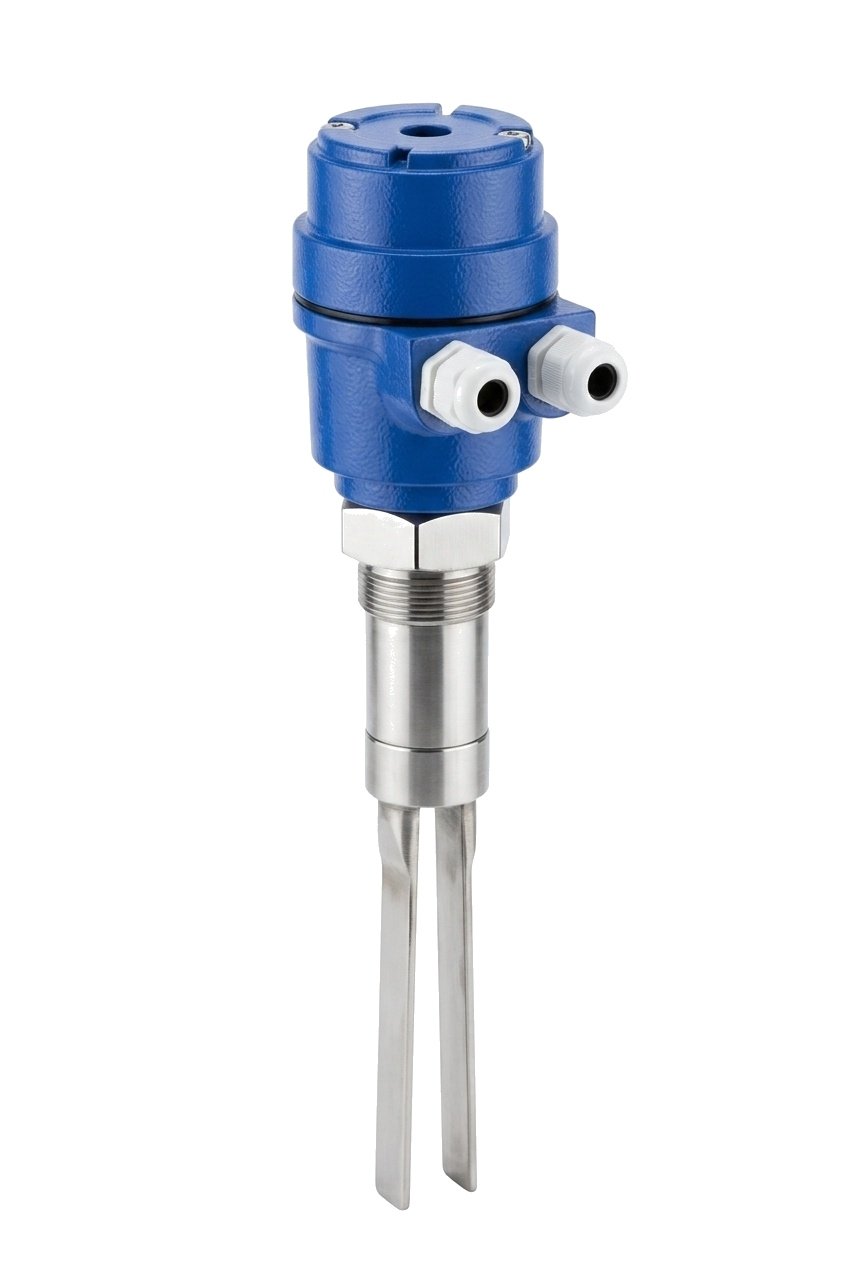
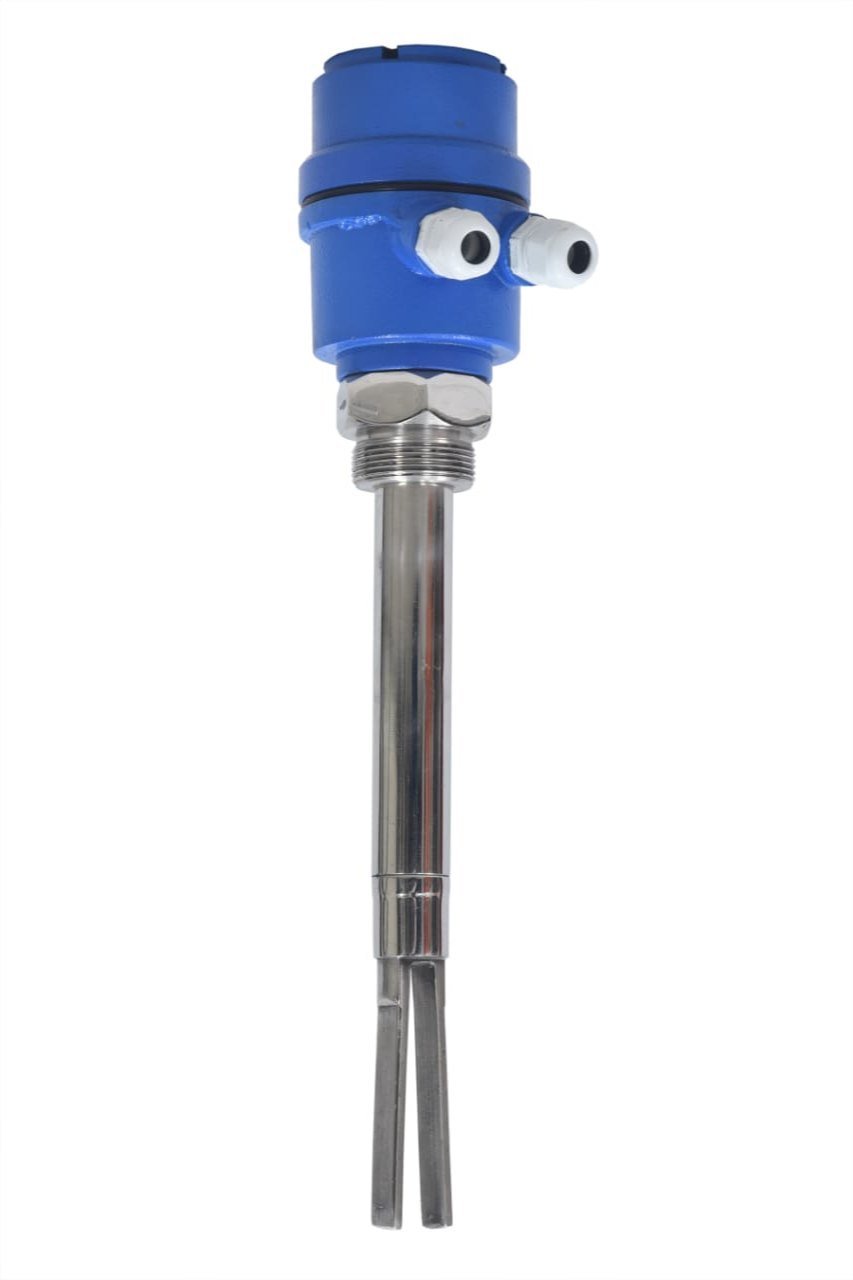
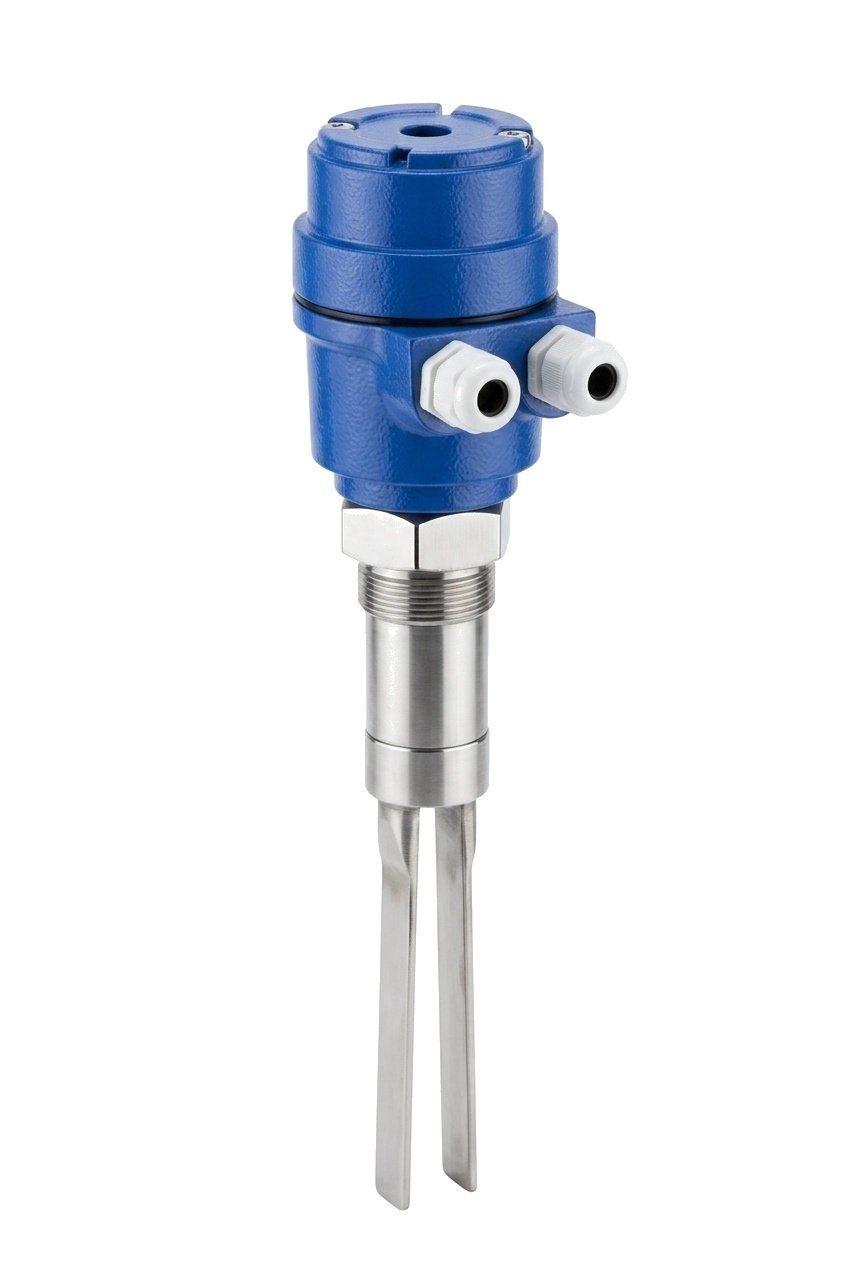
A vibrating fork level switch is a point-level sensor that uses a tuning-fork-shaped probe, vibrating at its natural resonant frequency, to detect when material contacts it. When liquid, powder, or granular material dampens the fork's vibration, the switch detects the frequency shift and triggers an output signal — commonly used for high/low level alarms, pump control, and dry-run protection.

How Does a Vibrating Fork Level Switch Work?

Direct answer: The fork is driven to vibrate at a fixed frequency by a piezoelectric crystal. When material — liquid or solid — touches and dampens the fork, its vibration frequency drops. The switch's electronics detect this change and instantly switch an output relay, triggering an alarm, pump, or valve.

This is what makes the technology so reliable: it doesn't depend on the electrical properties of the material (unlike conductivity or capacitance switches), so it works consistently across a wide range of liquids and bulk solids, including non-conductive and low-dielectric materials.

Vibrating Fork Level Switch Working Principle

Working Principle — Step by Step

01
The fork is excited into vibration at its calibrated resonant frequency.
02
Material contacts the fork as the level rises (or falls, depending on mounting).
03
The added mass/damping shifts the vibration frequency.
04
Onboard electronics detect the shift against a preset threshold.
05
The switch triggers a relay output — alarm, pump start/stop, or PLC signal.
06
When material recedes, the fork resumes free vibration and the switch resets.

Vibrating Fork Level Switch for Liquids vs. Solids

Vibrating Fork Level Switch for Liquids vs Solids

This is one of the most common points of confusion we hear from engineers, so here's the direct comparison:

Factor Liquid Application Solid Application
Fork design Compact, smooth-surface fork Often larger fork or extended rod
Sensitivity Tuned for lower-density liquids Tuned for higher-density bulk solids
Common use High/low alarms, pump protection, overfill prevention Hopper/silo level detection, blockage/jam alarms
Mounting Side or top entry in tanks Top entry in hoppers, bins, silos
Buildup resistance Generally less of an issue Needs coating-resistant models for sticky powders
In short: liquid applications favor compact, miniature forks; solid applications typically need a sturdier fork or an extended rope-type rod for deeper vessels.

Types of Vibrating Fork / Rod Level Switches

At Levtron, we manufacture several variants to match different installations:

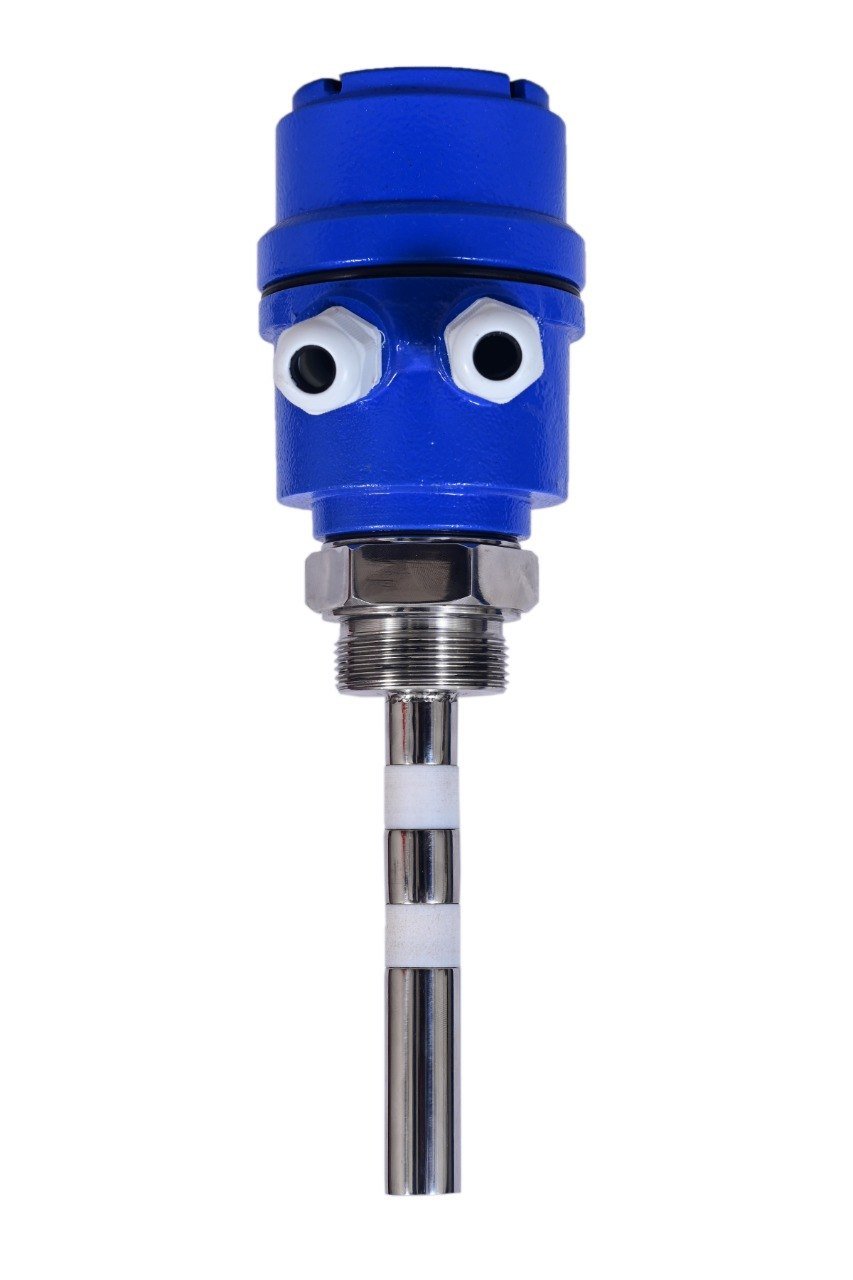
  • Standard Vibrating Fork Level Switch — general-purpose, most common configuration
  • Compact Vibrating Fork Level Switch — for tight installation spaces and small vessels
  • Miniature Vibrating Fork Level Switch — for very small tanks or low-quantity detection
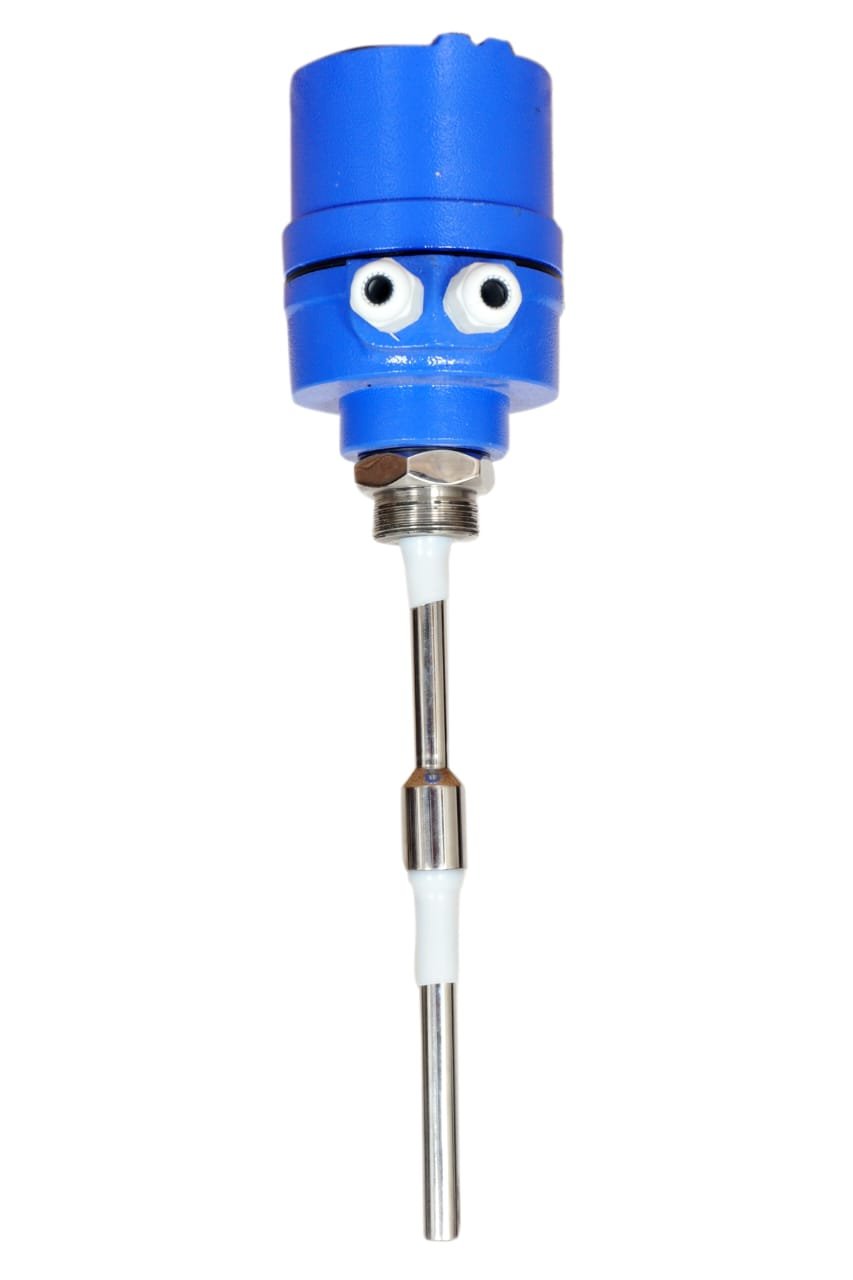
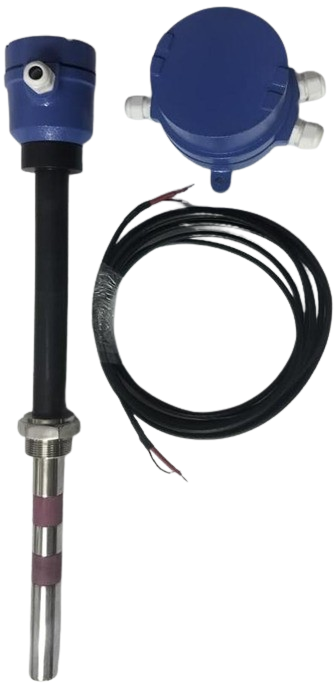
  • Flexible Rope-Type Vibrating Fork/Rod Level Switch — for tall silos and deep vessels
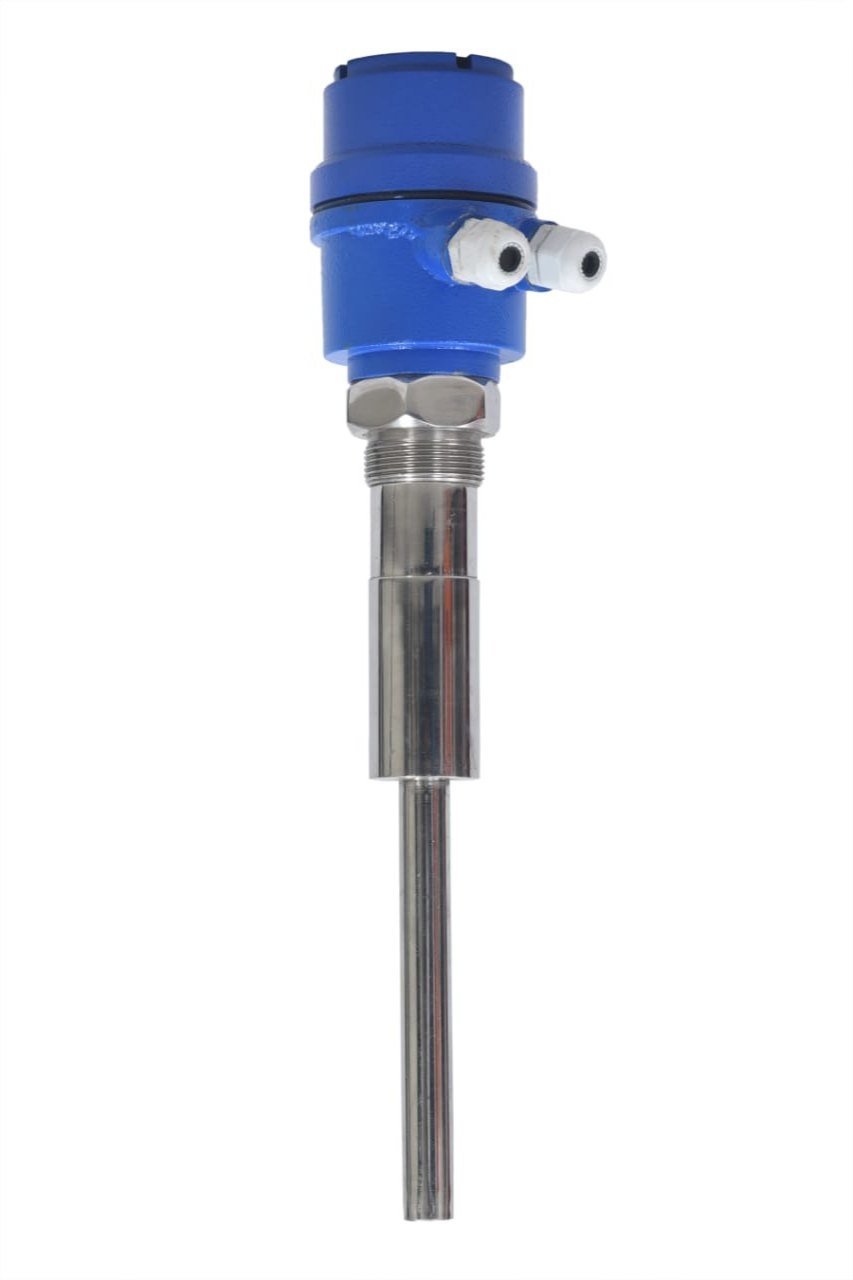
  • Standard Vibrating Rod Level Switch — rod-based alternative for solids applications

Applications of Vibrating Fork Level Switches

  • High/low level alarms in storage and process tanks
  • Pump dry-run protection — stopping pumps before they run dry
  • Overfill prevention in liquid storage tanks
  • Blockage/jam detection in chutes and hoppers
  • Point-level detection in food, pharma, and chemical processing
  • Interface and point-level sensing where continuous measurement isn't needed

Why Choose a Vibrating Fork Level Switch Over Other Technologies?

  • No calibration required — most units work straight out of the box
  • Media-independent — works regardless of dielectric constant, color, or conductivity
  • Handles foam, turbulence, and vibration better than many alternative technologies
  • Compact footprint — fits tight nozzles and small vessels
  • Low maintenance — no moving parts beyond the fork itself, so wear is minimal

Common Problems (and How to Avoid Them)

Problem 1: False triggering from buildup or coating. Sticky or coating-prone materials can dampen the fork even without full contact. Solution: choose a fork rated for coating-resistant operation, or consider RF admittance as an alternative for heavily coating-prone media.
Problem 2: Wrong fork size for the application. Using a standard fork in a very small nozzle, or a miniature fork in a large, turbulent tank, leads to unreliable detection. Solution: match fork size and sensitivity to vessel size and material density.
Problem 3: Incorrect mounting orientation. Side-entry forks mounted incorrectly can misread level due to splashing or turbulence. Solution: follow manufacturer mounting guidelines, and consider top-entry rope-type versions for turbulent or deep vessels.

How to Choose the Right Vibrating Fork Level Switch

01
Identify the media — liquid, powder, or granule, and its density/stickiness.
02
Check vessel size and depth — tall silos need rope-type rods; small tanks need compact or miniature forks.
03
Confirm process conditions — temperature, pressure, and any hazardous area certification needs.
04
Decide the mounting style — top or side entry, based on vessel geometry.
05
Choose a manufacturer with application support — the right advice upfront avoids costly reselection later.

Industry Applications

  • Chemical processing: dry-run protection on dosing and transfer pumps
  • Food & beverage: hygienic-grade forks for tanks and mixers
  • Water & wastewater treatment: high/low alarms in sumps and clarifiers
  • Cement & bulk material handling: hopper and silo level detection
  • Oil & gas: overfill protection in storage tanks

Why Choose Levtron as Your Vibrating Fork Level Switch Manufacturer

As a vibrating fork level switch manufacturer in India, based in Pune, we design our range — standard, compact, miniature, and flexible rope-type — to cover everything from small process tanks to deep bulk-solid silos. We work directly with plant engineers to recommend the right fork size, sensitivity, and mounting for their specific application, rather than offering a single generic product. If you're evaluating a vibrating fork level switch supplier, our team can review your tank drawing and media details and recommend a fit — free of cost.

Conclusion

A vibrating fork level switch remains one of the most dependable point-level detection choices for both liquids and solids, largely because it doesn't depend on the electrical properties of the material being measured. The key to getting it right is matching fork size, mounting style, and coating resistance to your specific application — not just picking the cheapest option available.

Need help selecting the right vibrating fork switch for your tank or hopper? Contact our engineering team for a free recommendation.

FAQ Section

1. What is a vibrating fork level switch?
A vibrating fork level switch is a point-level sensor that uses a vibrating tuning-fork probe to detect when liquid or solid material contacts it, triggering an alarm or control signal.
2. How does a vibrating fork level switch work?
The fork vibrates at a fixed frequency; when material dampens that vibration, the switch detects the frequency change and triggers an electrical output.
3. Is a vibrating fork level switch suitable for both liquids and solids?
Yes — vibrating fork switches work for both liquids and solids, though the fork design and sensitivity are typically tuned differently for each application.
4. Does a vibrating fork level switch need calibration?
No, most vibrating fork level switches are factory-set and require no on-site calibration, which is one of their main advantages.
5. What is the difference between a vibrating fork and vibrating rod level switch?
A vibrating fork uses a two-pronged tuning-fork probe, while a vibrating rod uses a single vibrating rod — rods are often used for solids and deeper vessel applications.
6. Why is my vibrating fork level switch giving false readings?
False readings are usually caused by material buildup or coating on the fork, incorrect mounting, or an improperly sized fork for the application.