• We work with global industries!
Level Switches: Types, Working Principles & How to Choose (2026 Guide)
Levtron • Industrial Instrumentation Guide

Level Switches: Types, Working Principles & How to Choose (2026 Guide)

If you've ever dealt with a tank overflow, a dry-running pump, or a hopper that silently ran empty mid-shift, you already know why a reliable level switch matters. At Levtron, we've spent years manufacturing industrial level switches for plants across India, and one thing we hear constantly from engineers is: "There are so many types — how do I know which one actually fits my application?"

This guide answers that. We'll walk through what a level switch is, how the major level switch types work, and a practical, step-by-step way to choose the right one — without the marketing fluff.

What Is a Level Switch?

A level switch is a device that detects when a liquid, powder, or granular material reaches a specific point inside a tank, hopper, or vessel, and triggers an electrical signal (on/off) in response. Unlike continuous level transmitters, a level switch is a point-level device — it tells you "full," "empty," or "at this specific point," not the exact level at every moment.

In short: a level switch = a point-level detector that switches an output (relay, alarm, pump control) when material reaches a set level.

How Does a Level Switch Work?

Most level switches work using one of a handful of proven sensing technologies. Each technology detects the presence of material differently:

  • Mechanical/vibration-based switches sense a change in vibration frequency when material dampens a vibrating element.
  • Electrical property-based switches (RF admittance, capacitance, conductivity) sense a change in electrical characteristics when material contacts or surrounds a probe.
  • Mechanical movement-based switches (rotating paddle) sense torque resistance when material blocks a rotating vane.
  • Pressure-based switches (diaphragm) sense the physical pressure exerted by material or liquid head.

The switch converts this physical change into an electrical signal — usually a relay contact — that can trigger a pump, alarm, valve, or PLC input.

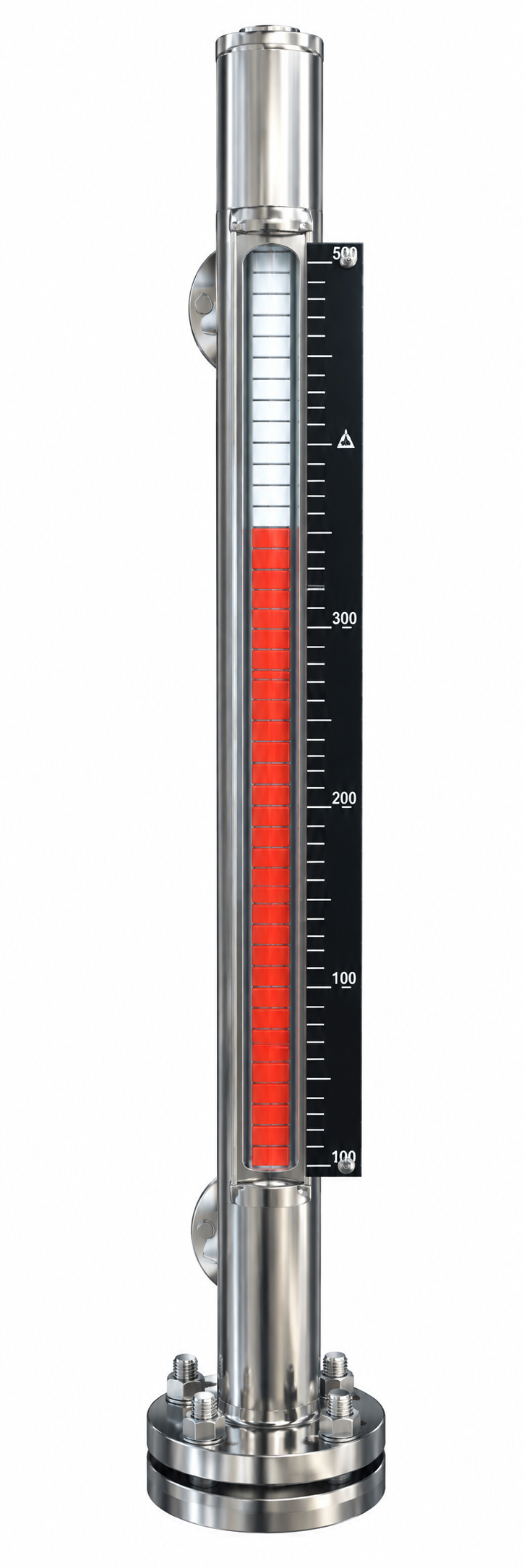
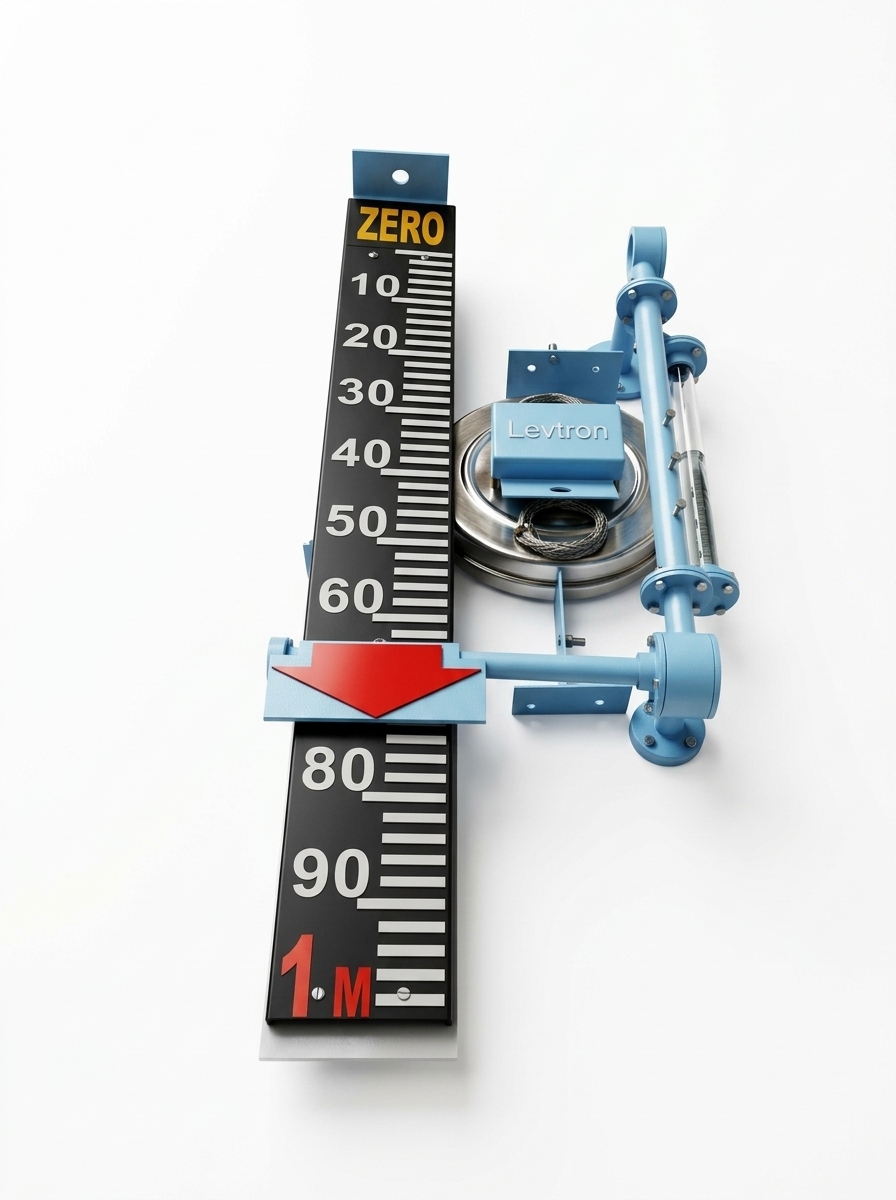
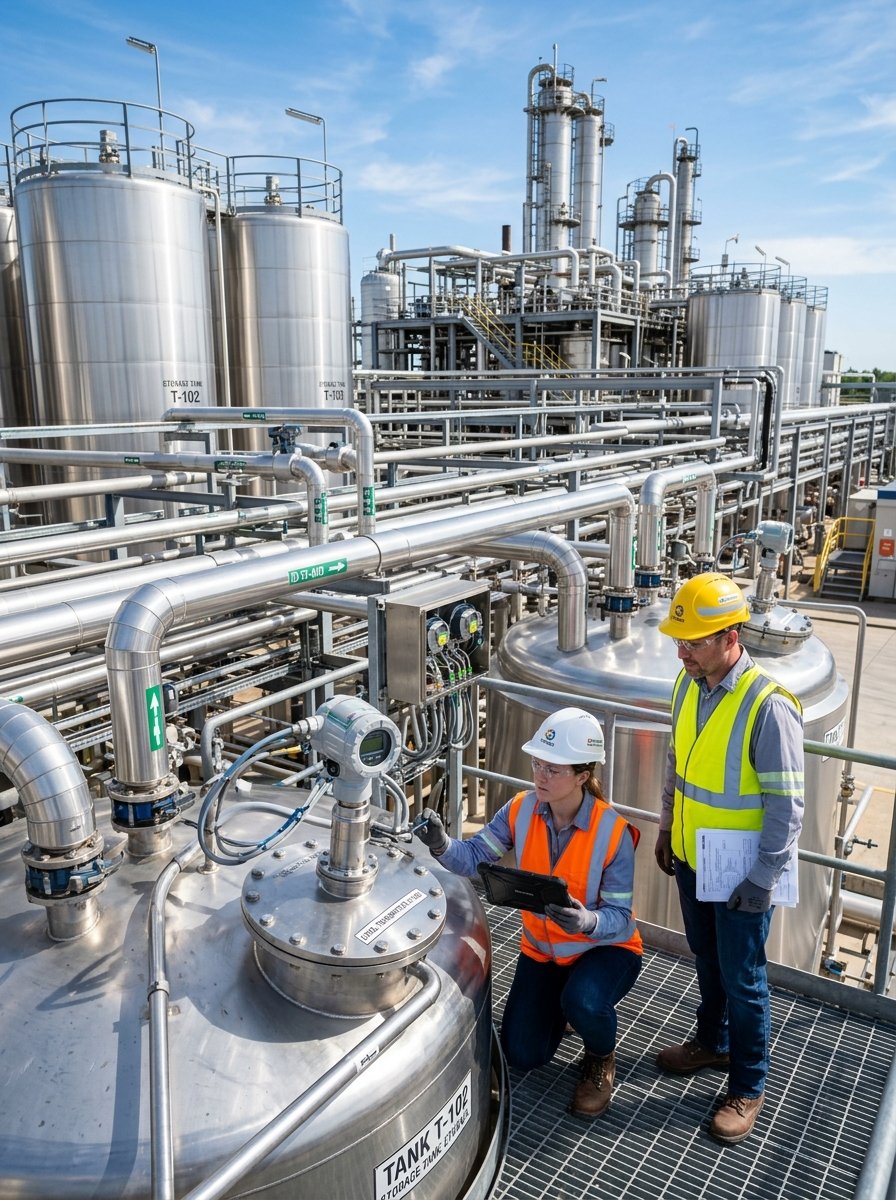
Industrial level switches installed on a process tank

Types of Industrial Level Switches (Compared)

Here's a quick-reference comparison of the main level switch types we manufacture at Levtron:

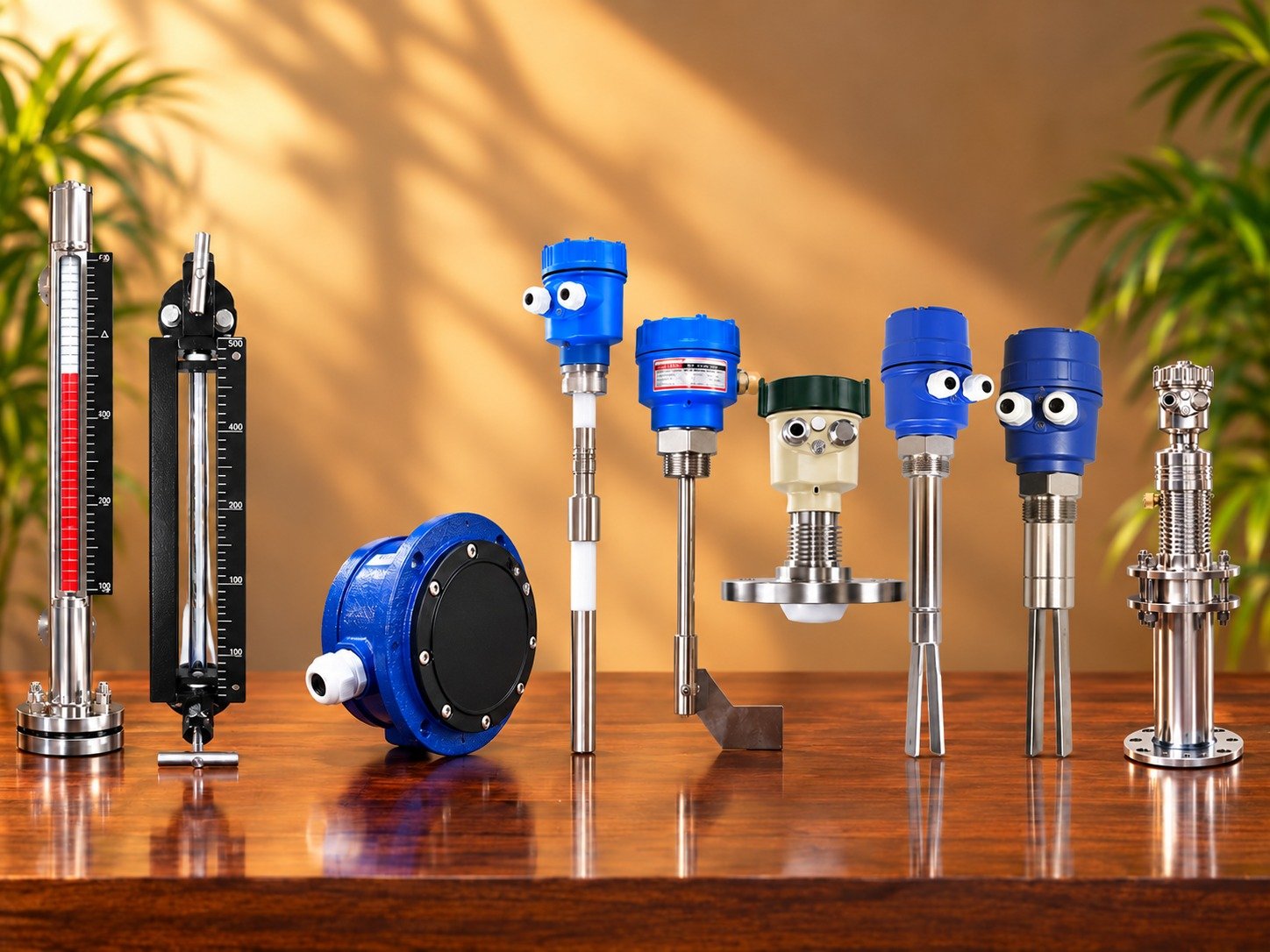
Types of industrial level switches including RF admittance, vibrating fork and rotating paddle

Quick visual reference: the most common technologies below are designed for different materials, vessel geometries, and process conditions.

Type Best For Key Strength
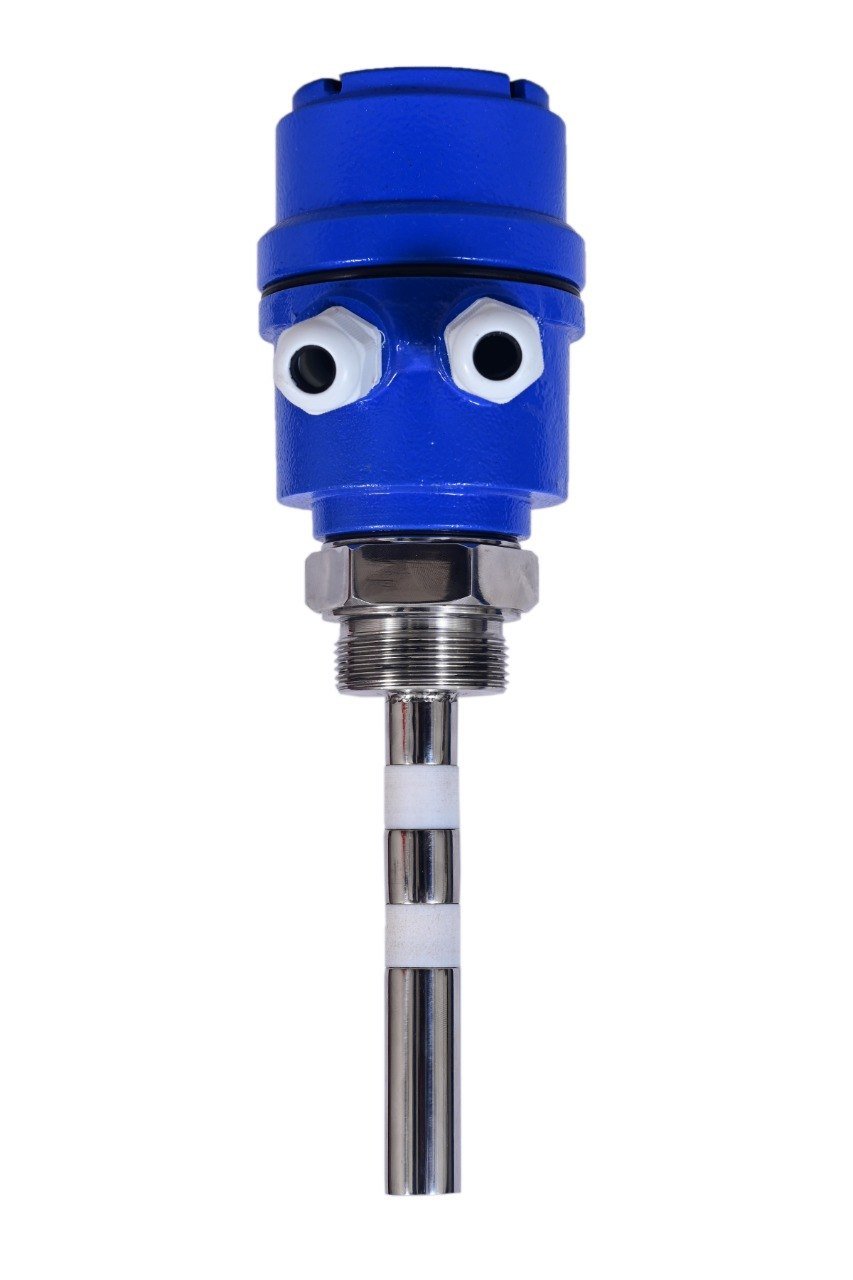
RF Admittance Level Switch Powders, granules, sticky/coating-prone materials Ignores buildup on probe; works in dusty environments
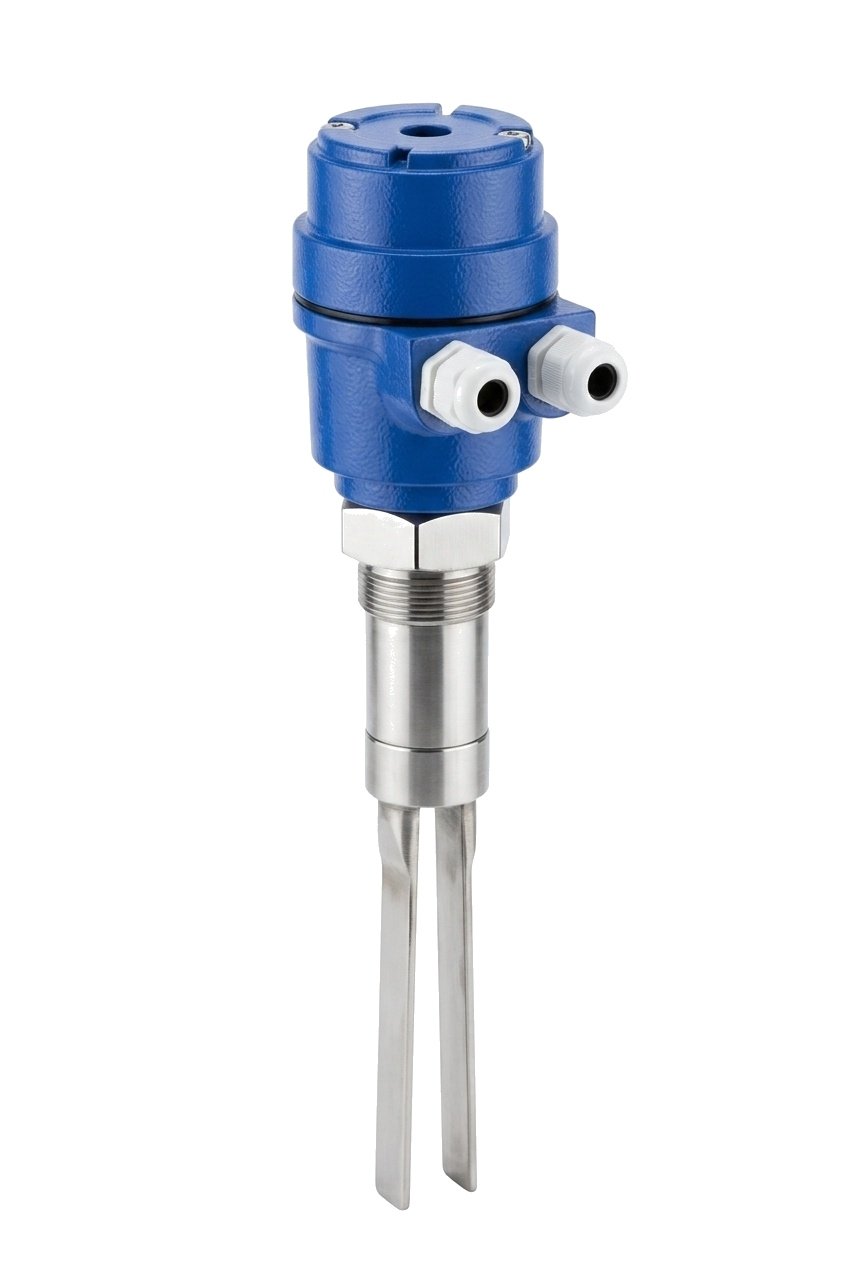
Vibrating Fork/Rod Level Switch Liquids and solids, high/low level alarms Simple, robust, minimal calibration
Rotating Paddle Level Switch Bulk solids — cement, grains, plastics pellets Visual + mechanical confirmation, durable
Capacitance Level Switch/Sensor Liquids and slurries, conductive or non-conductive Non-intrusive detection, no moving parts
Conductivity Level Switch Conductive liquids — water, acids, wastewater Low-cost, simple multi-point detection (1/2/4 channel)
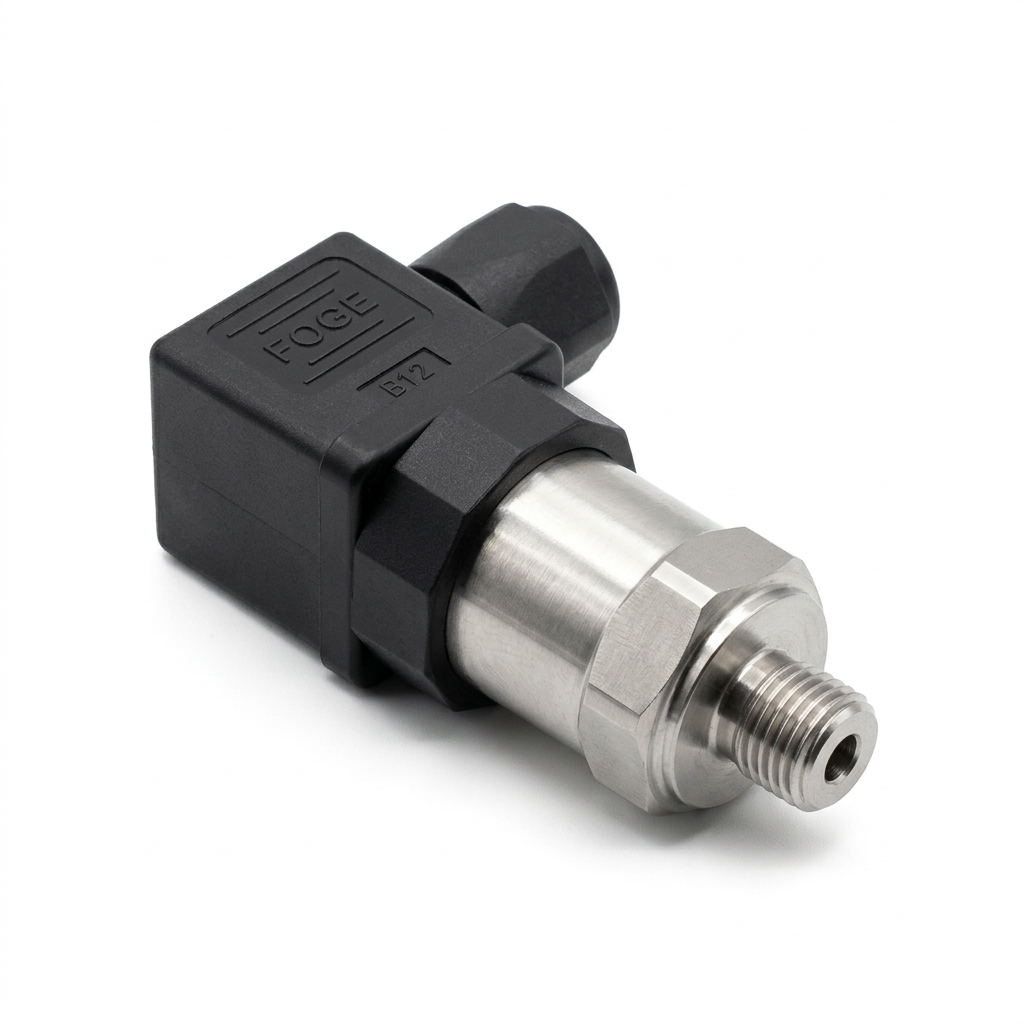
Diaphragm Level Switch Liquids under pressure or vacuum Direct pressure sensing, SS or rubber diaphragm options
Optical (Infrared) Level Sensor Clear or light-colored liquids Fast response, no moving parts

RF Admittance Level Switch

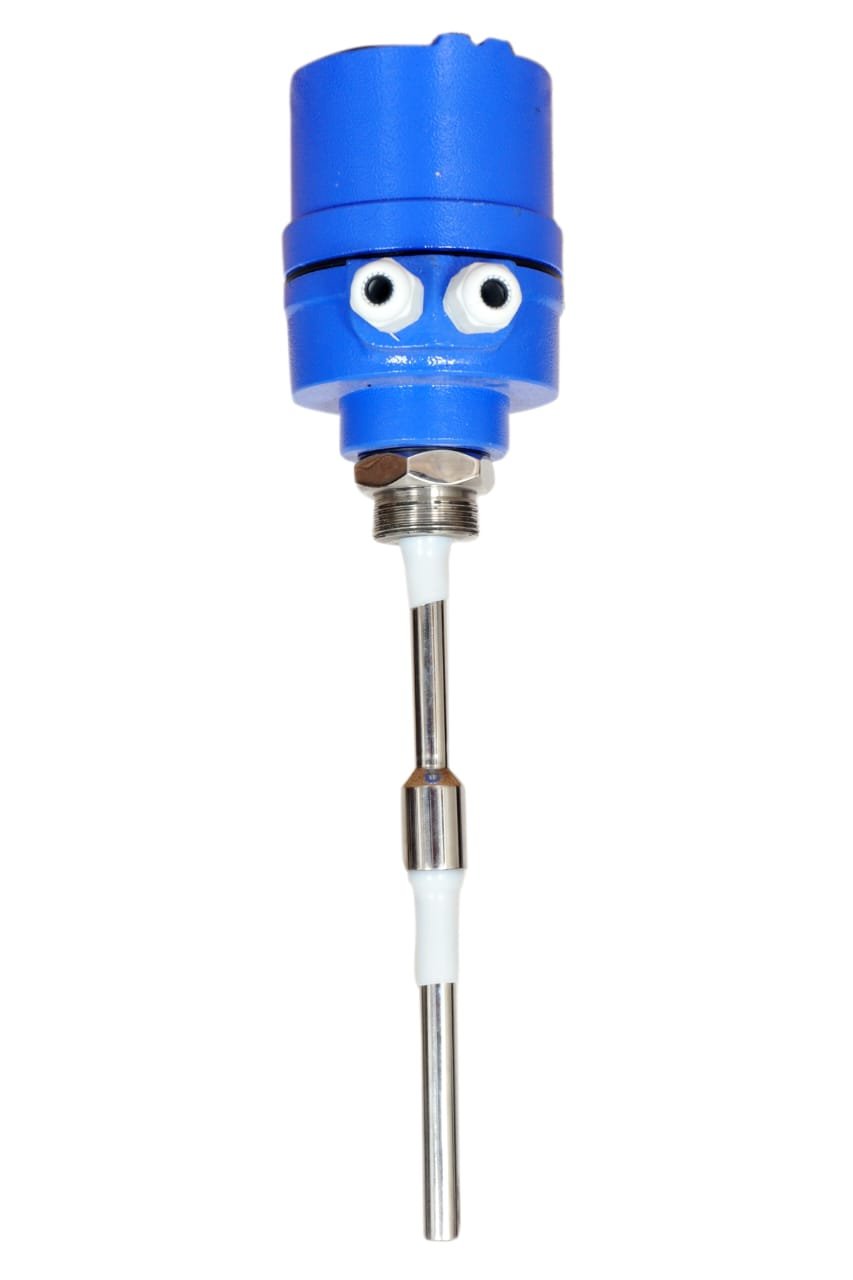
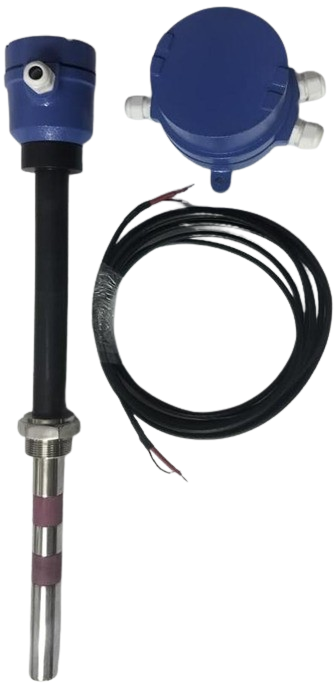
Uses radio-frequency signals through a probe to detect material contact, while electronically compensating for buildup or coating — making it ideal for sticky powders and dusty solids. We manufacture this in standard, compact, heavy-duty, rope-type, and disc-type variants to suit different vessel geometries.

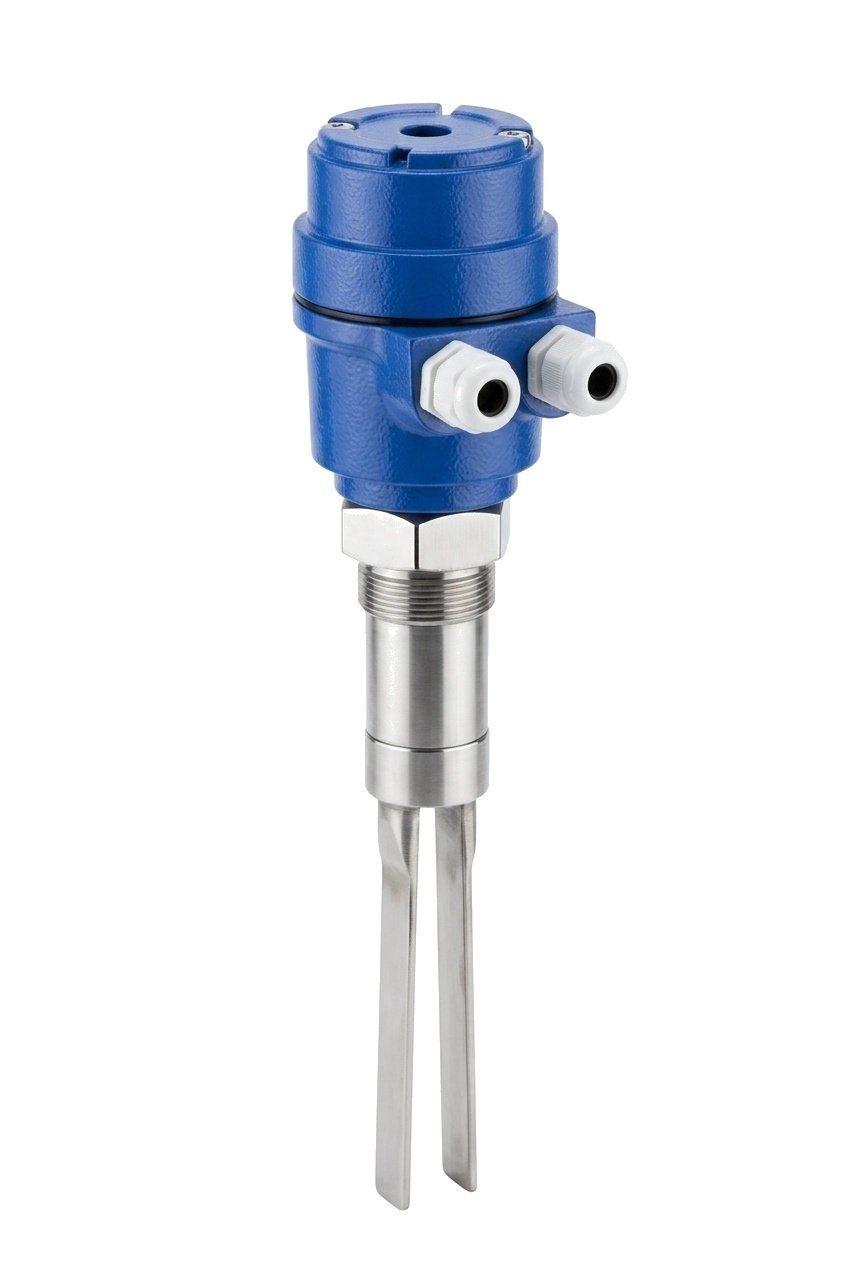
Vibrating Fork / Vibrating Rod Level Switch

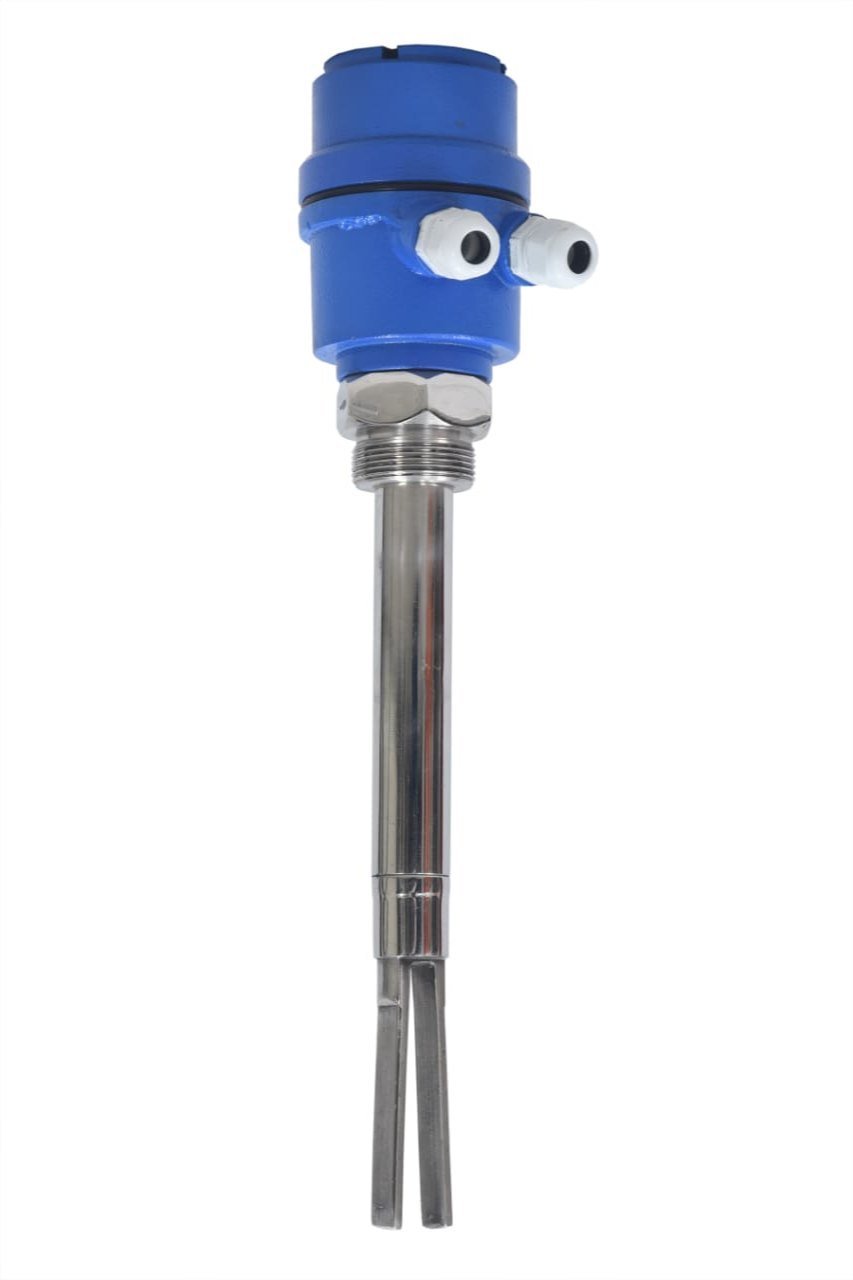
A tuning fork or rod vibrates at a set frequency; when material dampens that vibration, the switch triggers. It's one of the most widely used industrial level switch types because it needs almost no calibration and works across both liquids and solids.

Rotating Paddle Level Switch

A slow-rotating paddle stops turning when material blocks it, triggering the switch via torque detection. Available in 1, 2, 3, or 4-vane and J-type configurations, these are a staple in cement, grain, and bulk-solid handling.

Level Switch vs. Level Transmitter

Direct answer: A level switch detects a single point and gives an on/off signal, while a level transmitter continuously measures and outputs the exact level as an analog or digital value. Use a switch for alarms/interlocks; use a transmitter when you need to know the precise level at all times.

Common Problems That Send Engineers Searching for a Level Switch

Frequent false trips caused by foam, turbulence, or material buildup
Switches failing in high-temperature or corrosive process conditions
Existing switches not rated for hazardous (ATEX/flameproof) areas
Difficulty finding a switch that fits an unusual mounting or vessel geometry
Downtime and material loss from delayed detection of empty/full conditions

If any of these sound familiar, the root cause is usually a mismatch between switch technology and application — not a "bad" switch.

How to Choose the Right Level Switch: Step-by-Step

01
Step 1 — Identify your media. Is it a liquid, powder, granule, or slurry? Conductive or non-conductive? Sticky or free-flowing? This alone eliminates several unsuitable technologies.
02
Step 2 — Check process conditions. Note operating temperature, pressure, and any corrosive or abrasive properties. High-temperature or corrosive media may need SS diaphragm or specially coated probes.
03
Step 3 — Confirm mounting and vessel geometry. Tight installation space calls for compact or miniature switches; tall silos may need rope-type or extended-probe versions.
04
Step 4 — Check for hazardous area requirements. If your plant handles flammable dust or gas, confirm ATEX/flameproof certification before shortlisting any switch.
05
Step 5 — Define your accuracy and response needs. Point detection for alarms doesn't need transmitter-level accuracy — don't over-spec (or under-spec) for the job.
06
Step 6 — Evaluate manufacturer support. A level switch manufacturer that offers application engineering support and local servicing saves far more time than a marginally cheaper import with no backup.

Benefits of Choosing the Right Level Switch

  • Prevents overflow, dry-running, and spillage-related downtime
  • Reduces manual level-checking and operator risk
  • Extends pump and equipment life through reliable interlocks
  • Lowers long-term maintenance cost with the right material/technology fit
  • Improves regulatory compliance in food, pharma, and water treatment plants

Industry Applications

Chemical & petrochemical: corrosion-resistant RF admittance and diaphragm switches for aggressive media
Cement & bulk material handling: rotating paddle and RF admittance switches for silos and hoppers
Food & pharma: hygienic vibrating fork and optical sensors for clean-in-place systems
Power plants: heavy-duty switches for coal bunkers and ash hoppers
Water & wastewater treatment: conductivity switches for multi-point liquid detection
Oil & gas: flameproof-rated switches for hazardous storage tank areas

Common Mistakes When Selecting a Level Switch

  1. Choosing based on price alone, ignoring media compatibility
  2. Skipping hazardous-area certification checks until installation
  3. Using a liquid-rated switch for solids (or vice versa)
  4. Ignoring probe length/mounting orientation for the vessel shape
  5. Not confirming after-sales support before ordering

Why Manufacturers and Plant Engineers Choose Levtron

At Levtron, based in Pune, we specialize in industrial level switches and level transmitters engineered for accuracy, durability, and easy integration — including RF admittance, RF capacitance, vibrating fork, rotating paddle, conductivity, diaphragm switches, and capacitance/ultrasonic/radar/DP transmitters. As a level switch manufacturer in India, we work directly with plant and instrumentation engineers to match the right technology to the application, rather than pushing a one-size-fits-all product. If you're evaluating a level switch supplier, we're happy to review your application and recommend the right fit — no obligation.

Conclusion

Choosing the right level switch comes down to understanding your media, process conditions, and installation constraints — then matching that to a proven technology. Whether you need a vibrating fork switch for a liquid tank or a rotating paddle switch for a cement silo, getting the selection right the first time saves downtime, maintenance cost, and headaches down the line.

Have a specific application in mind? Contact our engineering team for a free selection recommendation, or browse our full range of level switches.

FAQ Section

1. What is a level switch used for?
A level switch detects when liquid, powder, or granular material reaches a set point in a tank or hopper, triggering an alarm, pump, or valve — commonly used to prevent overflow or dry-running.
2. What are the main types of industrial level switches?
The main types include RF admittance, vibrating fork/rod, rotating paddle, capacitance, conductivity, diaphragm, and optical level switches — each suited to different materials and conditions.
3. What is the difference between a level switch and a level transmitter?
A level switch gives a single on/off signal at one detection point; a level transmitter continuously measures and outputs the exact level in real time.
4. Which level switch is best for powders and granules?
RF admittance and rotating paddle switches are typically best for powders and granules, since they handle dust, buildup, and bulk-solid flow reliably.
5. Which level switch is best for liquids?
Vibrating fork, capacitance, conductivity, and diaphragm switches are all commonly used for liquids, depending on conductivity and process conditions.
6. Can a level switch be used in hazardous areas?
Yes — flameproof/ATEX-certified level switches are available for use in areas with flammable gases or combustible dust. Always confirm certification before installation.

Have a specific application in mind?

Contact our engineering team for a free selection recommendation, or browse our full range of level switches.